
A FAST Way to Tax the Ultrarich
January 30, 2026
Plus, what good housing policy looks like and how to protect campus free speech.
The Roosevelt Rundown features our top stories of the week.
How to Actually Tax the Ultrarich
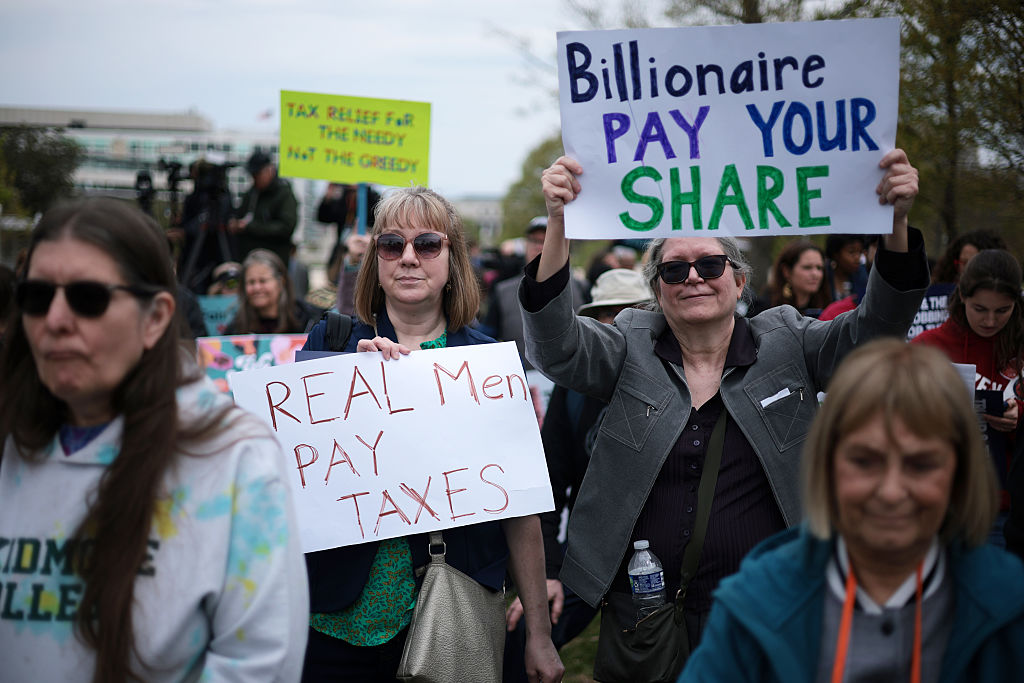
Americans feel like the economy is unfair. The ultrarich not paying their fair share in taxes is a big reason why. A new proposal from tax law expert and Roosevelt Fellow Brian Galle—who also codrafted California’s proposed billionaire tax—explains how to finally close the loopholes that allow the ultrarich to hoard their wealth.
Previous efforts to tax the ultrarich have struggled because investment gains are taxed only when sold, or “realized.” In practice, this means the ultrarich can dodge taxes for years. As Galle told Fortune, “billionaires have learned better and better and their lawyers have learned how to find all the loopholes to really exploit this kind of optionality: their ability to choose when to pay tax.”
The Fair Share Tax (FAST) proposal would take a different approach: require households with more than $15 million in lifetime investment gains to pay tax on those gains, and actually take appreciation into account. By requiring investors to pay what they would have under annual taxation, FAST would eliminate the reward for delay built into the current system.
Extreme wealth affords immense power, and the ultrarich use it to shape our political and economic systems to their liking. As calls to tax the rich grow more and more popular, it’s time for policy and governance to meet the political moment.
Read the fact sheet and full proposal: How to Tax the Ultrarich
Trump’s Housing Policy Tweaks Are Not a Serious Affordability Project
The Trump administration recently floated a proposal that would let prospective homebuyers use the money saved in their 401(k) retirement accounts toward a down payment on a house. In a new blog post, Roosevelt Chief Strategy Officer Allison Zelman argues that this isn’t solving the housing cost crisis—it’s asking Americans to rob their futures to survive the present.
Instead of seriously addressing housing costs by, say, directing public investment toward increased construction, Zelman argues, Trump’s economic advisers are telling Americans they “won’t fix the housing market, so go ahead and cannibalize your retirement to pay inflated prices.”
Trump’s recent signaling that he wants to make life more affordable hasn’t amounted to a cohesive agenda (which is no surprise given his administration’s abysmal track record to date on supporting the working class). “A lot of these things they seem to be trying to do on the cheap,” Roosevelt’s Brad Lipton told Business Insider this week. “It’s not serious industrial policy to just kind of do these one-off things.”
Read the post: The Trump Administration Wants to Turn the Housing Crisis into a Retirement Crisis, Too
Defending Free Speech on Campus
Concentrated wealth and power is threatening academic freedom and free expression in higher education, Luke Herrine writes in a new report. As the federal government pulls funding, leaders suppress student protestors, and faculty fear losing their jobs at public and private universities alike, Herrine explores the governance and economic transformations that could ensure free speech across public campuses in particular.
The current authoritarian overreach from both federal and state governments is alarming. But austerity isn’t the answer, as we’ve seen from institutions’ growing reliance on the whims of wealthy donors. Instead, Herrine argues that robust public funding is a critical part of protecting academic freedom. Among other thoughtful democratizing reforms, he proposes that trustees should have less power over university decision-making, and faculty and scholars should have more.
Read the report: The Institutional Foundations of Free Speech at Public Universities
What We’re Talking About
What We’re Reading
- Trump nominates Kevin Warsh as Fed Chair: And there’s nothing particularly reassuring about that choice, according to Roosevelt Principal Economist Michael Madowitz. “The costs of getting this wrong could be dramatic: higher housing and car costs, greater barriers to starting a small business, and higher taxes with fewer benefits at all levels of government.”
- Older Americans are more worried about the economy: Consumer confidence has dropped more sharply for people over 35 than among their younger counterparts. Madowitz spoke with Marketplace about why. “As a barely Gen Xer, I will totally own our saltiness.” Older Americans might be considering longer-term questions, Madowitz explained, like Can I pay for my kids’ college? Can I support my aging parents? Will I be able to collect Social Security?
- For more economic insight, see Madowitz’s analysis on what to expect from next week’s jobs data release: The Official #ConspiracyTheoryJobsday Is Coming!
- Direct deposit may have some downsides: The Treasury Department will no longer send tax refunds via paper checks, a modernizing effort that risks leaving behind those without bank accounts, Roosevelt Senior Fellow Beverly Moran writes in The Conversation.
- The unbanked deserve full access to the economy, and public banking alternatives could help. Read the Roosevelt report: Eliminating Barriers to Bank Accounts: How CalAccount Can Ensure Financial Inclusion and Serve as a Model for Public Banking
- Another reason against means-testing—it’s expensive: The “labyrinth of eligibility rules” that comes with Medicaid work requirements and other limits on benefits “doesn’t just fail the intended beneficiaries,” Luke Farrell writes for the LPE Project blog. “The administrative complexity they create presents an enormous opportunity for profit by government contractors.”