
Where Trump’s Cost-of-Living Proposals Fall Short
February 12, 2026
Plus, how tenants are taking on crypto-backed landlords.
The Roosevelt Rundown features our top stories of the week.
What Our Research Reveals About Trump’s Agenda
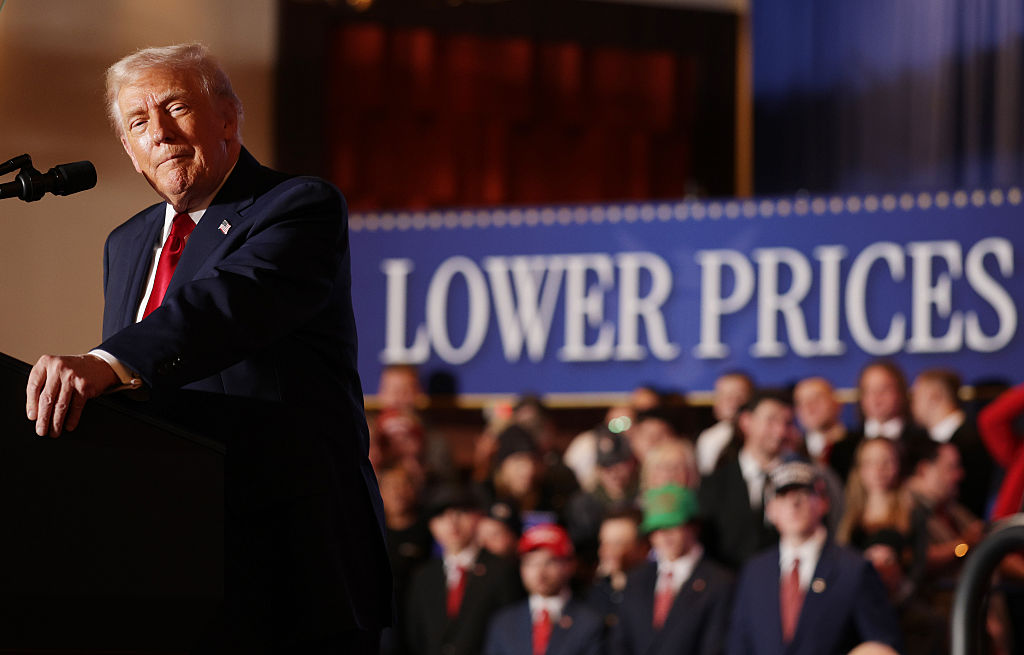
In less than two weeks, President Trump will deliver the first State of the Union of his second administration. It’s likely that he’ll use the speech as an opportunity to claim some economic wins—particularly around affordability. But according to new analysis from the Roosevelt Institute, the White House’s ideas have fallen short of the kinds of reforms we actually need, and may even deepen the very problems they claim to address.
- Across housing, health care, energy, and more, the Trump administration has recently adopted the language of economic populism—promising lower costs, fairness, and relief from corporate abuse. But the reforms haven’t matched up to the rhetoric.
- The White House’s agenda relies on work-arounds, one-off deals, and flimsy consumer-side fixes that pay lip service to the cost-of-living crisis but in reality could lead to more household debt (like 50-year mortgages) and higher prices (thanks to actions like sweeping tariffs and clean energy subsidy rollbacks).
- What the Trump 2.0 agenda fails to do is tackle the structural power dynamics that cause these problems. Lasting relief requires confronting concentrated power, and to do that, we need public investment, durable institutions, and clear limits on private extraction.
For side-by-side breakdowns of proposals on prescription drug pricing, public investment in private industry, consumer protection, and more, see: Two Visions of Government Power: What the White House Gets Wrong—and What Roosevelt’s Research Offers
What We’re Talking About
What We’re Reading
- “Somehow they’re allowed to buy all these homes.” Over the last few years, crypto-backed landlords in Detroit have bought up hundreds of properties, sold shares of each to overseas investors, and let the homes in their care fall into severe disrepair. In a new blog post, Roosevelt Board Member Keyontay Humphries provides a dispatch from the city and explains how community organizing helped tenants fight back.
- Corporate oligarchy, from campuses to newsrooms: Government overreach isn’t the only threat to free expression. In a new blog post, Roosevelt’s Shahrzad Shams explores how extreme wealth works hand in hand with extreme state power to undermine our higher education and media institutions.
- The “annoyance economy” is real: Groundwork Collaborative released a new report exploring how junk fees, spam calls, and multistep cancellation processes boost corporate profits at the expense of our time and energy.