
The “Imperative Necessity” to Reset Government
February 6, 2026
Plus, WaPo layoffs and concentrated wealth’s threat to the news media.
The Roosevelt Rundown features our top stories of the week.
The Left’s Next Challenge: Prove Democracy Can Work for Working People
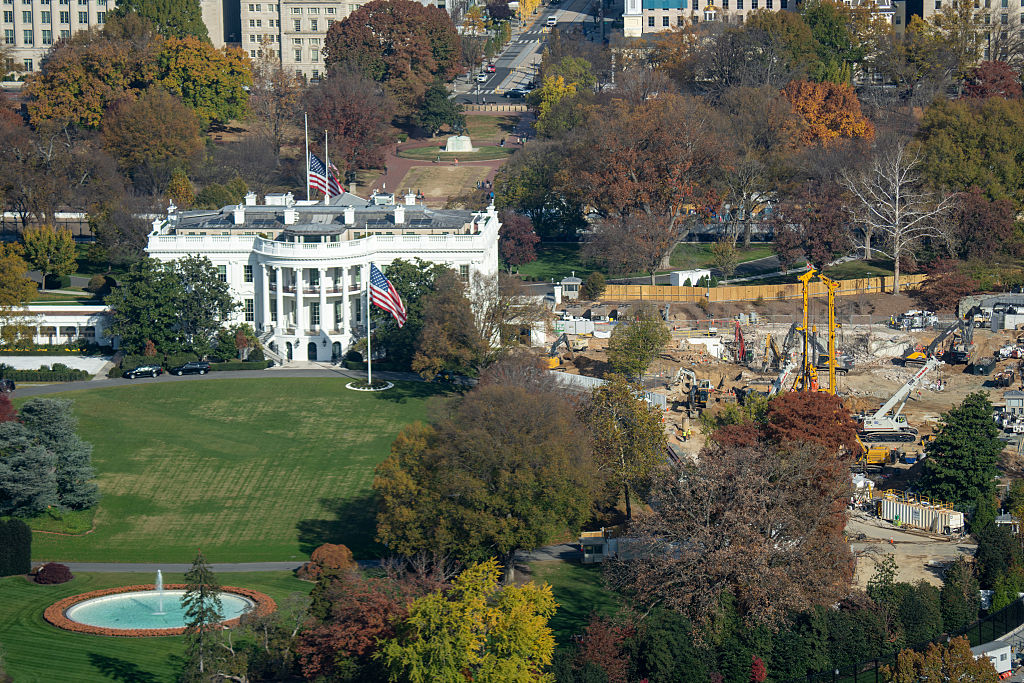
Last month, the New York Times estimated that Donald Trump has made at least $1.4 billion through exploiting the presidency. As the administration continues to enrich itself and its ultrawealthy cronies through cryptocurrency, legal settlements, Qatar-gifted private jets, and more, it takes from hardworking Americans—making health care more expensive and taxes harder to file. This corruption is taking place within a system that already disadvantaged the working class well before Trump took office.
Regaining public trust will be a staggeringly difficult challenge. But it’s one progressives can and must take on.
- This week, former FTC official Hannah Garden-Monheit joined the Pitchfork Economics podcast to discuss her October 2025 Roosevelt Institute report, coauthored with Tresa Joseph, on how to make the government more effective and responsive.
- As discussed on the podcast and in the report, conservative efforts to underfund agencies and stack courts with ideological allies, on top of reforms that outsourced expertise and layered on procedural hurdles, have undermined the government’s ability to function.
- Solving problems is not just a bureaucratic issue. It’s a democratic one. Democratic legitimacy requires a government capable of speedily and visibly responding to Americans’ aspirations and discontent. Without delivering for working families and standing up for them against special interests, the state won’t earn the public’s trust.
Today’s crises offer “a bit of a reset moment in which the aperture for what is possible is different,” Garden-Monheit said on the podcast. “It’s not just that there’s a window of opportunity there, in a future governing moment—it’s that there’s an imperative necessity.”
Listen to the episode: A Government Built to Stall—and What That Means for Democracy (with Hannah Garden-Monheit)
Read the report: Building a More Effective, Responsive Government: Lessons Learned from the Biden-Harris Administration
What We’re Talking About
What We’re Reading
- Good week for the ultrarich, bad week for the rest of us: One-third of the Washington Post’s entire workforce is out of a job as of Wednesday thanks to cuts ordered by owner and Amazon CEO Jeff Bezos. Earlier this week, Congress questioned Netflix and Warner Bros. Discovery executives in a hearing on their proposed merger.
- The media system is core democratic infrastructure, and needs protection from both state and commercial capture. For more, read Roosevelt’s report The Political Economy of the US Media System: Excavating the Roots of the Present Crisis.
- “Team Trump did themselves no favors”: Last week, the World Trade Organization ruled against a key Inflation Reduction Act tax incentive to spur domestic clean energy manufacturing.
- “The Trump administration preferred to play a predictably losing hand rather than risk robustly defending the Biden climate policies it has spent the last year and change trying to destroy,” Roosevelt’s Todd N. Tucker writes for the blog.