
Kalshi and Polymarket Are Even Worse than Regular Casinos. Here’s Why.
July 10, 2026
Ordinary users have lost half a billion dollars on Kalshi since its launch.
The Roosevelt Rundown features our top stories of the week.
In prediction markets, the odds are not in your favor
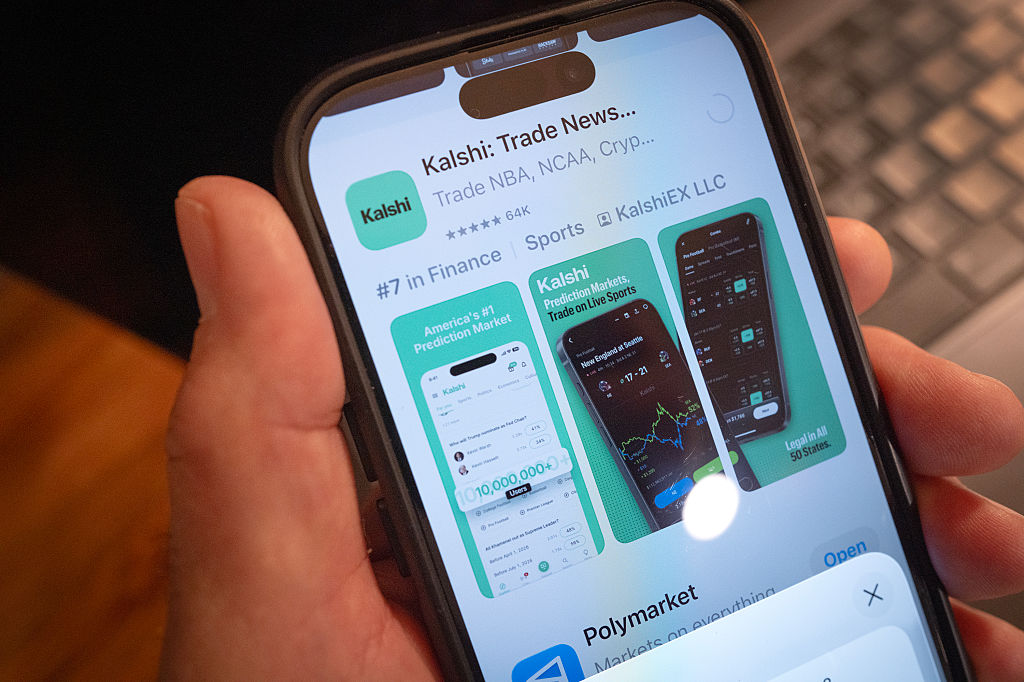
Prediction markets have pioneered the casual practice of betting not only on sports, but on real-life events—from political outcomes to the weather. But just because there’s no “house” setting the odds doesn’t mean regular people are making bank on markets like Kalshi and Polymarket.
According to new analysis from Brad Lipton and Toyosi Odusola on the Roosevelt blog, and covered by More Perfect Union, ordinary users of Kalshi—the largest prediction market in the US—have lost more than half a billion dollars from its launch in July 2021 to May 2026.
“The deck is systematically stacked against everyday users participating in these markets,” Lipton and Odusola write. A tiny minority of users “may spend hours researching, building models, and purchasing proprietary data to inform their bets . . . [but] it isn’t clear that everyday participants in prediction markets know how sophisticated the person or the methods on the other side of the transaction are.” Some of those sophisticated bettors are even Wall Street–backed trading firms.
Read the investigation—the first piece in a four-part series from Roosevelt: Since Kalshi’s Launch, Ordinary Users Have Lost Half a Billion Dollars

“The future of AI policy and who gets to shape it”
In a new video, former Biden admin industrial policy official Sameera Fazili speaks with Roosevelt President and CEO Elizabeth Wilkins in Atlanta, Georgia, about the spread of proposed data centers and how local communities are demanding a democratic say.
“Politicians in Washington and corporate elites are saying, ‘we’re in a global [AI] competition. And so for America’s national and economic security, we need to do all these things to fight abroad and to fight forces from abroad who are gonna take us over,’” Fazili said. “We have this opportunity as a people to say, ‘Is this gonna be in our interest? How is this going to be in our interest?’”
She added, “These data center fights are people having that conversation about AI. They’re not just talking about data centers; they’re talking about the future of AI policy and who gets to shape it.”

What else we’re up to
- “Work is more than a mechanism for producing goods and services.” In a new brief, Roosevelt Fellow Diana Reddy explores what current conversations about the future of work are missing and why employment is integral to the human experience.
- “[Employment] is one of the primary sites through which human beings build trust, form communities, develop shared identities, and sustain democratic life,” Reddy writes.
- The federal minimum wage has been stuck at $7.25 for 17 years. It’s the longest period of time the minimum wage has gone without an increase, and it’s time for policymakers to act.
- As Elizabeth Wilkins and Economic Policy Institute President Heidi Shierholz argue in The Hill, “if you are looking for a single button to press to immediately improve affordability for the largest number of people, raising the minimum wage is right there.”
- For more on the important role the minimum wage plays, read the recent brief from Roosevelt’s Patrick Oakford: Federal Employment Standards as the Foundation of Economic Security: Revisiting Minimum Wage, Just Cause, and Tools to Combat Wage Theft
- Democracy applies to material concerns, not just rules and norms. In a new blog post, Roosevelt fellow Osita Nwanevu argues for a new way of thinking about democracy, one that “allows all who participate a measure of control over the conditions that shape their lives, and empowers them to fulfil their own destinies, whatever they may be.”
- Tale healthcare, for example: “The denial of healthcare doesn’t just prevent people from accessing a good they might be entitled to as a matter of distributive justice. A person denied access to necessary medication or care is also, of course, less able to exercise full control over their lives, which may well be cut short by that lack of agency.”
- This new framework for democracy may resonate more than visions past—nearly two-thirds of Americans believe the government should be responsible for ensuring all its citizens healthcare. Read more in the blog post: 250 Years In, How Should We Talk About Democracy?
What we’re talking about