

A Fed That Serves Main Street
October 30, 2026
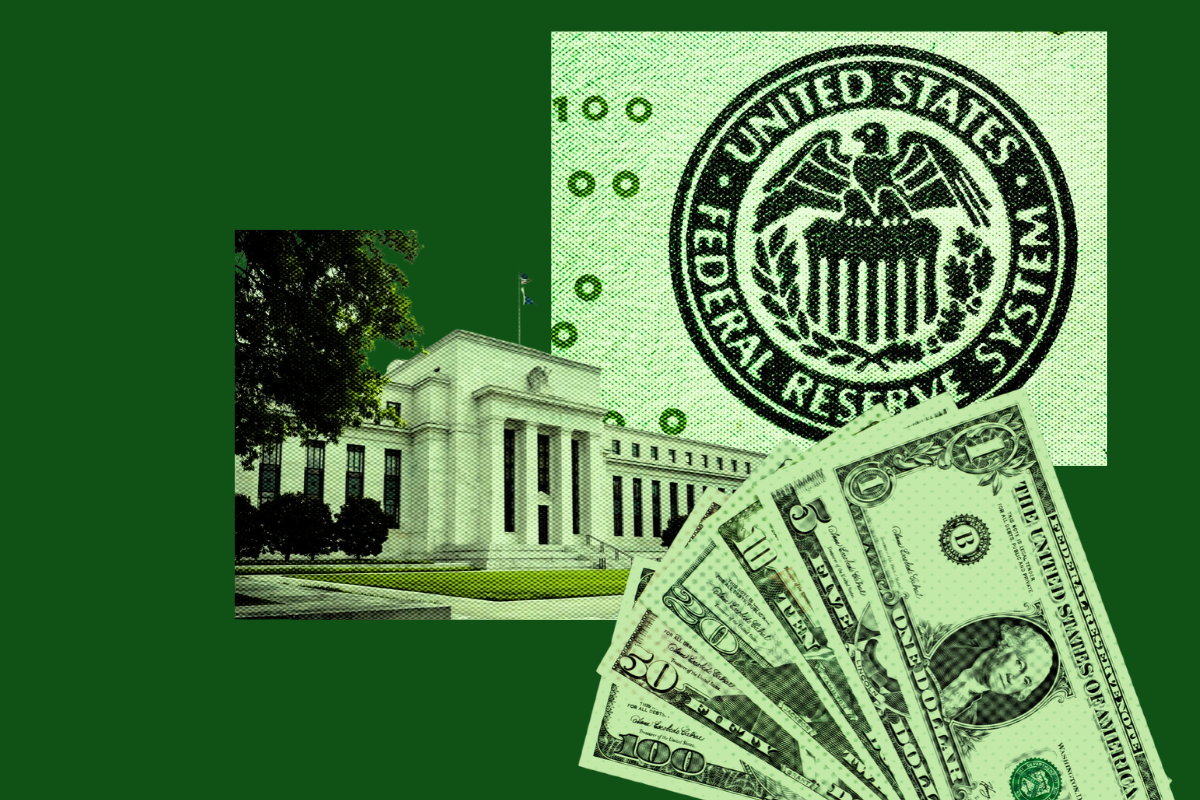
Monetary policy should serve the public interest
Ahead of this week’s FOMC meeting, Roosevelt’s Good Life Residents on the Fed joined economist Claudia Sahm for a conversation about making the Federal Reserve a more democratic institution.
Monetary policy touches everyone’s daily life—interest rates can put a home loan within reach and give workers more power in the labor market. And while the Fed needs to be free of excess political influence and rooted in expertise to work well, that doesn’t mean it should be excused from democratic accountability.
The Good Life Residents’ new essay collection explores how to hold the nation’s central bank accountable to the public interest, not Wall Street.
“Rather than treating monetary policy as an esoteric ritual of the temple priesthood, Congress and the Fed should work to make monetary policy decisions legible,” Ethan Struby writes.
This means Congress, as representatives of the people, needs to invest in its own knowledge of monetary policy and take a more proactive approach. As Christian Flores suggests, legislators could compel Fed governors to engage with the public by mandating more frequent and regular communications, congressional hearings, and transparency.
In addition, Erin Lockwood argues that what’s currently treated as conventional wisdom—like inflation targeting as a catch-all policy approach, and the Fed’s choice of a 2 percent target—should be under more scrutiny. “An arbitrary inflation target is inherently undemocratic, and the choice of target has real stakes for the broader public.”
What else we’re up to
- We hear a lot about private equity these days, but what actually is its impact on the economy? In a new report, authors Charlie Eaton, Albina Gibadullina, Adam Goldstein, and Marie-Lou Laprise investigate by drawing on data from nearly 57,000 buyouts and more than 21,000 exits from 1985–2019.
- “Private equity has steamrolled through one industry after another—from hospitals, to housing, to beloved chain restaurants—looting businesses for parts and then closing up shop,” Senator Elizabeth Warren said about the report. “This new Roosevelt paper provides new hard numbers showing the vast extent of private equity’s takeover of Main Street.”
- Roosevelt’s Brad Lipton wrote in the Capitol Forum about private equity’s transformation from corporate raider to Main Street invader: “Your retirement fund could be used to create a crappy chain of dentists and, without better disclosure, you might not even know it.”
- Only half of the grant funding promised during the Biden administration has been spent. Industrial policy grants from the IRA, CHIPS Act, and IIJA did a great job of targeting disadvantaged communities, but one major lesson remains clear: Grants need to go out much faster. Roosevelt Fellow Joe Peck digs into the data in a new blog post.
- Tenants are sick of soaring rents. Regulation could help. Roosevelt Fellow Anisha Steephen spoke toIn These Times about how, by limiting rampant speculation, rent regulation could actually help fix distorted housing markets.
- Read more in Steephen’s brief from the summer: Rent Regulation as Financial Regulation
- The “nightmare scenario” would be Congress failing to act on Social Security. Roosevelt’s Rey Fuentes joined 535 News to discuss why Congress can and must take action to raise revenue for Social Security.
- There are several feasible options to raise revenue for Social Security, some of which were laid out by Roosevelt’s Good Life Residents on Social Security last month. Both legislators and the general public must understand what this means: that benefit cuts are entirely unnecessary.