

A New Opening for Economic Policy
November 6, 2026
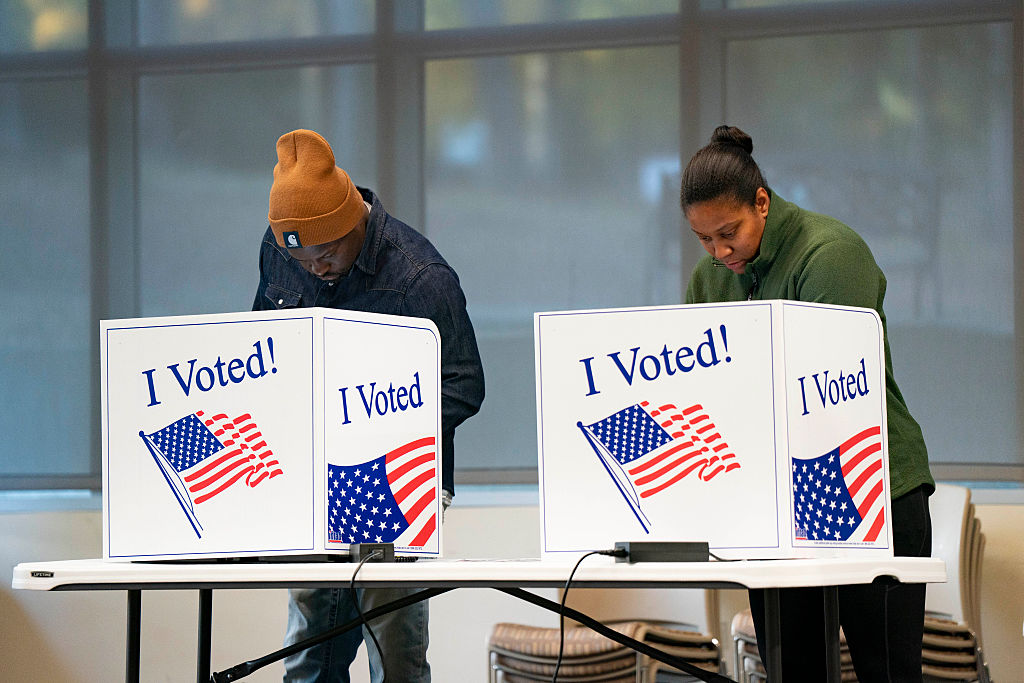
People want a government that answers to them, not corporate power
This week, the American people sent a resounding message. They know what they need to live a life that’s both affordable and meaningful—and they know who’s stopping them from living one.
For government to work for the people, policy leaders have to take on corporate interests.
Corporate influence isn’t just a question of campaign finance, but of how much agency we all have over our own lives.
Several congressional candidates rode to victory railing against corruption and super PAC spending, and governor-elects—from Texas to Georgia to Ohio—campaigned on restricting data center buildout. On ballots across the country, voters overwhelmingly rejected data centers despite dogged lobbying from AI companies.
In Michigan, where opposition to data centers was a top issue, voters passed a statewide ban on political donations from energy utilities, and Senator-elect Abdul El-Sayed won decisively on a promise to get money out of politics and healthcare for every person.
But the ultrarich aren’t giving up yet—California’s wealthiest, for example, spent hundreds of millions of dollars fighting Prop 40, which would have been the nation’s first tax on wealth. “Translating demands for affordability into lasting economic gains requires asking who controls these institutions [of power] and how their resources are used,” Roosevelt Fellow Chastity Murphy writes for Forbes.
“When communities govern how housing, care, energy, and the other essentials of a dignified life are financed and priced, and how revenues are reinvested,” Fellow Anisha Steephen adds, “they gain the power to keep essentials affordable and direct resources toward collective needs.”
What else we’re up to
- Bosses profit from a fragmented workplace, but labor law can help. Hiring subcontractors and temporary staff instead of full-time employees—known as “domestic outsourcing”—is one way employers try to cut costs and avoid worker protections. In a new brief, Roosevelt Fellow Andrew Elmore lays out a federal agenda to combat the fissuring workplace by enforcing and expanding labor protections and facilitating new worker organizing.
- Winter will be more expensive than usual this year. Thanks to high oil prices—a result of the Trump administration’s war on Iran and abandonment of green industrial policy—home heating and holiday travel will cost families more, former fellow Sarah Jane Glynn writes in a new blog post.
- The slow and steady work of Zohranomics is rebuilding faith in government. Despite critics’ fearmongering about his so-called radical views, NYC Mayor Zohran Mamdani’seconomic policy is only “radical in the degree to which people have lost faith in the idea that the government cares about how they experience the economy,” Elizabeth Wilkins said to Business Insider, “or that the government could do anything about it.”
- How to build a more democratic Federal Reserve. “Democratic accountability paired with political independence at the Fed is a challenge, and it’s been an ongoing effort.” For her Stay-at-Home Macro Substack, economist Claudia Sahm writes about Roosevelt’s recent collection of policy proposals from Good Life residents Christian Flores, Erin Lockwood, and Ethan Struby.