

Tackling Energy Insecurity amid Federal Climate Policy Shifts: Lessons Learned and Pathways Forward
August 20, 2026
By Diana Hernández and Lauren Ross

Key Takeaways
- Energy insecurity affects not only the economic well-being of a significant share of US households but also their living conditions, climate adaptation, and long-term health trajectories.
- The Bipartisan Infrastructure Law (BIL) and Inflation Reduction Act (IRA) laid out a structured, replicable model for how governments, utilities, nonprofits, and private actors can drive equitable clean-energy transformation at scale.
- The lasting legacy of the BIL and IRA includes strengthening state and local capacity, expanding the clean-energy workforce, and accelerating market adoption of technologies like heat pumps and whole-home efficiency upgrades.
Introduction
One-third of US households face energy insecurity as they struggle to meet basic household energy needs.1 This number has been fairly consistent in the past decade since national estimates began, with the notable exception of the pandemic period, when expanded financial assistance and utility disconnection protections temporarily reduced hardship. The expiration of pandemic-era relief programs, combined with rising utility rates, inflation, stagnant wages, and growing unemployment, along with an impending modern-day oil crisis, are deepening energy insecurity for millions of Americans. This material and experiential hardship has historically disproportionately affected low-income families, communities of color, renters, and people living in older, less efficient homes, but the profile of impacted households is now shifting to include previously protected groups—white, higher-income, working-age people and people living in well-insulated homes.2 This matters because energy insecurity has become a mainstream crisis—one that is growing in the face of new threats and the dismantling of pathways to relief.
In the past, federal policy efforts to address high energy costs, housing conditions, and climate resilience were minimal. Long-standing weatherization and utility bill assistance programs, while critical resources, reach a mere fraction of households in need.3 The Bipartisan Infrastructure Law (BIL) and the Inflation Reduction Act (IRA), instituted in the Biden-Harris administration, represented extensive and significant federal investment in climate, housing, and energy infrastructure. These policies sought to reduce climate risks by catalyzing a clean energy transition designed to be just by targeting investment in housing and energy upgrades toward communities that had long been denied significant and sustained resources needed to confront intersecting social and environmental injustices. While these policies offered meaningful incentives, full implementation and fine tuning were prematurely thwarted.
The current federal administration has swiftly reversed course, dismantling the IRA and BIL and deprioritizing matters of equity and justice. As such, there is a sense of deep loss and questions about how to forge ahead. This report examines lessons learned and continued applicability of climate and environmental policies to tackle the widening energy insecurity crisis via state and local action. The innovative and intentional design of the BIL and IRA provide a strong foundation for future efforts to ensure that energy and housing-centered investments reach the communities that need them most, meeting the proximal challenges of affordability and security while also moving toward a renewable, reliable, and affordable energy future.
This report is structured in three parts. First, we establish energy insecurity as the conceptual basis for action by describing its economic, physical, and coping dimensions and connecting them to disparate impacts by race and housing tenure, climate risk, and health outcomes. Second, we examine the tenets and features of foregone climate and environmental policies best positioned to address energy insecurity. Third, we summarize lessons learned and pathways forward for maintaining momentum to tackle energy insecurity amid federal retrenchment and deepening energy, housing, and climate crises.
Understanding Energy Insecurity and Barriers to a Just Energy Transition
Energy insecurity is a multidimensional phenomenon comprising economic, physical, and coping dimensions.4 In its economic form, this hardship pertains to people being unable to afford the cost of utilities. This can take the form of a high energy burden whereby utility costs represent a sizable portion (often measured as 6 percent or more) of household income, which can then lead to utility debt from unpaid bills and the threat or experience of a service disconnection due to nonpayment.5 In its physical expression, energy insecurity refers to deficient housing conditions, which can take the form of drafts, inadequate insulation, and the poor performance or disrepair of heating and cooling equipment or household appliances. These conditions affect the ability to achieve comfort and increase operational costs as boilers, furnaces, and air conditioning units work harder to reach and maintain suitable indoor temperatures. The coping dimension of energy insecurity can manifest in various forms, including vigilant conservation wherein households reduce energy consumption sometimes to unhealthy and inconvenient levels to save on their bills. Others may forgo comfort and keep their homes at unhealthy temperatures in order to avoid high costs or because the energy systems in their homes do not work properly (or at all). In other cases, households may turn on an oven or stove for heat or leave their homes to spend time at a cooling center. These coping strategies are some households’ best options to counteract substantial economic and physical challenges, at great personal sacrifice. The implications of allocating more of one’s income to energy expenses means that there is less available income for other basic needs including housing, food, and medical expenses. It may also mean that people turn to unsafe alternatives such as the underconsumption of energy, thereby limiting the healthful enjoyment of one’s home.6
An estimated 37 percent of US households experience some form of physical energy insecurity in the form of inadequate insulation or the lack of proper heating and cooling.
Disparate Exposure
One-third of households in the US experience some form of energy insecurity.7 Both low-income households and communities of color are disproportionately impacted. Black Americans, for example, experience energy insecurity at almost double the rate of white Americans.8 Similarly, when considering energy burden—defined as a ratio of energy expenditures to income—low-income households allocate three times more than that of higher-income households and spend around 8.6 percent of their gross household income on energy, compared to 2–3 percent among the non-poor.9 The energy insecurity phenomenon is directly tied to the ongoing housing affordability crisis and the deteriorating conditions of the US’s existing housing stock. An estimated 37 percent of US households experience some form of physical energy insecurity in the form of inadequate insulation or the lack of proper heating and cooling.10 Research has established a link between housing and energy cost burdens whereby people of color and low-income populations face disproportionate rates of energy and housing insecurities both independently and combined.11 Like wealth and health outcomes in the United States, energy insecurity is shaped by investments and opportunities (and the lack thereof) at the household and neighborhood levels—patterns that stem from long-standing racial inequities in housing and community development.12 Key explanations for this include the entrenched legacy of racial residential segregation and the attendant historical underinvestment in housing and energy infrastructure in the communities where Black, Latino/e, and Indigenous peoples are concentrated.13 Therefore, any attempt to tackle and undo disparate energy and housing burdens requires specific attention and targeted investments in formerly redlined and present-day disadvantaged communities.
Housing Tenure
Beyond race and income, housing tenure—whether one owns or rents—carries profound implications for who bears this burden, and how it is experienced. While homeowners overall tend to experience energy security more than renters, the protective benefits of homeownership against energy insecurity do not extend to low-income Black homeowners.14 Moreover, half of low-income households (59 percent) are renters, and of the approximately 44 million rental households in the United States, 33 percent report being behind on energy bills.15 The so-called “split incentive” is central to this dynamic, as landlords control efficiency investments but tenants pay the bills and reap the savings, creating a structural misalignment that often discourages landlords from making significant energy-saving investments.16 As a result, renters are less likely to have access to efficient homes, including up-to-date heating and cooling systems, adequate insulation, and efficient windows and home appliances. Because housing tenure is deeply shaped by race and class, split incentives between landlords and tenants as well as legacies of racial wealth gaps and lack of access to home loans for Black homeowners further widen the energy divide, limiting access to clean energy technologies for low-income households and those living in older homes in segregated neighborhoods.
Climate Threats
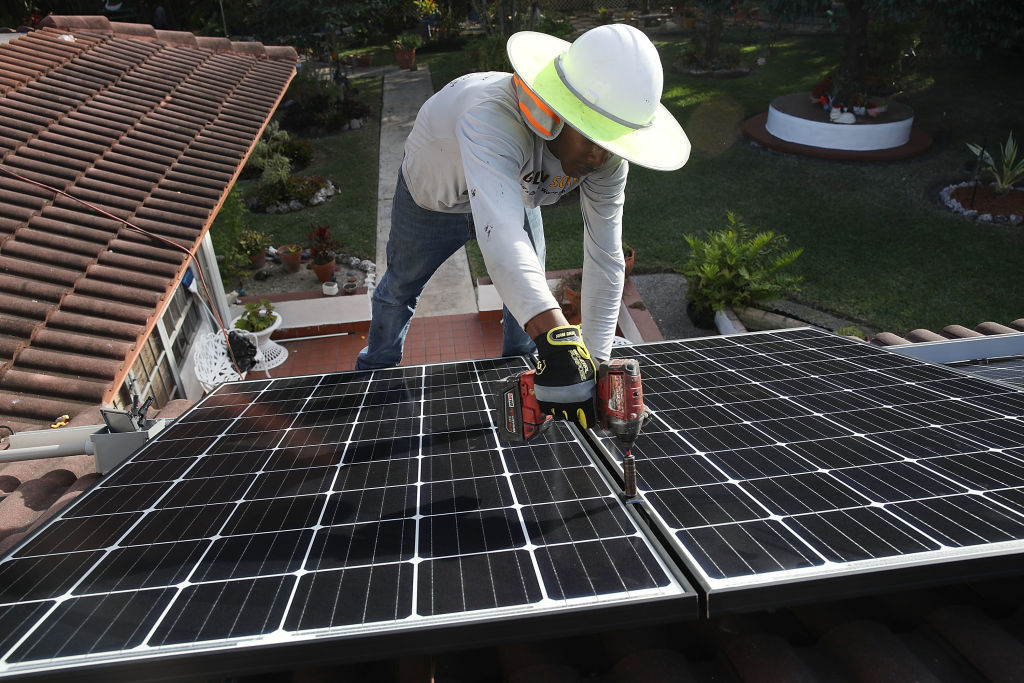
Energy insecurity, housing burdens, and climate threats intersect and compound for the most vulnerable households, including their ability to afford to comfortably heat and cool living spaces or invest in resilient power technologies that ensure access to energy in the face of extreme weather. Climate change is driving financial pressures to contend with rising temperatures and irregular cold snaps. An aging infrastructure pressured by increased demand and climate threats is impacting energy reliability and pricing as utility investments translate into higher monthly bills. And when extreme weather events happen, they are likely to cause power outages that often require costly workarounds for households such as temporary relocation, relying on expensive and unsafe generators, and additional losses following these disruptions such as lost wages and food spoilage.17 Clean energy is both a strategy to address the climate crisis by relying on low-emission energy sources and a pathway to reliable energy when the grid fails. A broad set of modern technologies is needed to equitably bring American homes and energy infrastructure into the clean energy transition, including rooftop solar, battery storage, induction stoves, heat pumps, and other electrification and efficiency upgrades. Yet these technologies are often adopted first and most often in higher-income communities, leaving neighborhoods long harmed by racial and socioeconomic discrimination at continued risk of underinvestment. This challenge is particularly evident in the uneven expansion of residential solar. Middle-income households account for 48 percent of rooftop solar adoption, while low-income households represent only 15 percent, despite standing to gain the most from lower energy bills. While the IRA and BIL were designed to close these gaps, the premature end to federal incentives and state programs may further fuel this discrepancy.
Adverse Health Impacts
The economic strain of energy insecurity, along with the added cost and discomfort of inefficient homes and high-effort coping, affects the physical and psychological well-being of families.18 Numerous studies have linked energy insecurity to depression, anxiety, psychosocial stress, and mental strain, as well as to poor sleep quality, which is critical for recovery, immune response, stress management, and the maintenance of basic metabolic functions.19 For households forced to cut back or choose between essentials like food and medicine to pay their energy bills, these trade-offs can lead to poor nutrition, difficulties managing chronic health conditions, and poor sleep.20 Households living through power outages and disconnections due to nonpayment may face potentially life-threatening interruptions to the use of electronic medical devices. Those trying to limit energy use for cooking may rely on calorie-dense, highly-processed foods that have longer shelf lives and require little or no preparation (e.g., canned foods, cold cuts). Inadequate insulation and poorly functioning heating and cooling systems often expose households to extreme indoor temperatures, contributing to respiratory, cardiovascular, dermatological, and arthritic illnesses.21 These concerns are particularly important considering that many low-income households also experience poorer air quality and insufficient ventilation, which lead to a disproportionate burden of asthma and other health challenges for disadvantaged populations.22 Deferred maintenance and hazardous conditions such as asbestos, lead, and poor indoor air quality present health risks while simultaneously disqualifying homes from weatherization services, thus locking out the households whose preexisting conditions render such interventions most urgent.
In summary, energy insecurity affects not only the economic well-being of a significant share of US households but also their living conditions, climate adaptation, and long-term health trajectories. Disadvantaged populations are disproportionately exposed to energy insecurity. As such, sustained federal intervention and comprehensive policy are essential to address this multifaceted and highly consequential challenge. The IRA and BIL created a path to tackle housing, energy, and climate burdens, and while these policies and federal incentives are no longer, the needs remain—and are now even greater. What, then, are the lessons learned and the pathways forward that can help us confront the thorny and growing problem of energy insecurity? To answer this question, we must first provide an overview of federal climate policy of a recently bygone era.
Federal Climate Legislation That Addressed Energy Insecurity
Energy insecurity is a multifaceted challenge with diverse drivers, though housing conditions are among its most critical and modifiable dimensions. Efforts to address energy insecurity have mostly focused on economic interventions, such as bill assistance and debt relief. Valuable as they are, these approaches confer only temporary relief and crisis support while the pricing structures that produce unaffordability remain unchanged.23 Equitable ratemaking, which happens at the state level, is beyond the formal scope of federal rulemaking absent a more aggressive, progressive Federal Energy Regulatory Commission (FERC). FERC could theoretically advance affordability and energy equity through several mechanisms within its existing statutory authority. Some viable approaches include reforming transmission cost allocation to prevent cost-shifting onto residential ratepayers, reducing allowed returns on equity for transmission utilities, and expanding low-income participation in wholesale demand response markets.24 But given the current administration’s priorities, we will likely need to continue to look elsewhere for economic relief strategies related to energy insecurity.
Comprehensively tackling energy insecurity requires addressing its physical dimensions—the deteriorating, inefficient homes that inflate energy costs and leave families to rely on dangerous compensatory measures such as using space heaters or ovens for heat at significant risk to their health and safety. Unlike the contested and slow-going process of utility ratemaking reform, housing upgrades and decarbonization offer a more immediate path to target structural conditions that produce and perpetuate energy insecurity. Policies and programmatic interventions that support housing enhancements can change the course of long-term disinvestment and deferred maintenance that jeopardize housing affordability, stability, and the conditions that compromise resident health. Energy systems and appliances play a crucial role in achieving comfort and housing stability. Examples of energy efficiency and clean energy upgrades include better insulation, upgraded heating and cooling units, window repair and replacement, weatherization, roof repair, electricity upgrades, electrification, and the installation of rooftop solar and battery storage. These enhancements not only improve comfort but also reduce costs and eliminate indoor environmental hazards, thereby addressing energy insecurity more directly and durably. Beyond that, a healthy, habitable home in good repair upholds human dignity.
Bipartisan Infrastructure Law of 2021 and the Inflation Reduction Act of 2022
For years, federal and state funding to address energy insecurity remained largely stagnant. That shifted with the Infrastructure Investment and Jobs Act also known as the Bipartisan Infrastructure Law (BIL) of 2021 and the Inflation Reduction Act (IRA) of 2022, which unlocked unprecedented support for residential clean-energy and efficiency upgrades. Aimed at modernizing infrastructure, cutting emissions, and lowering household energy costs, these laws created programs that move beyond traditional weatherization and bill assistance to address some of the fundamental causes of energy insecurity.25
Post congressional and executive approval, federal agencies worked to design and implement these initiatives so they would be accessible and meaningful for households with a high energy burden. These efforts were not incidental. Guided by President Joe Biden’s Justice40 Initiative, which required that at least 40 percent of the benefits of key federal climate and clean-energy programs flow to disadvantaged communities, agencies were mandated to embed equity into program design and delivery. Justice40 was on the path to fundamentally reshape how hundreds of federal programs were administered, driving investments toward communities historically overburdened by pollution, underinvestment, and high energy costs, and helping to institutionalize environmental justice within national climate and infrastructure policy.26
Below is an overview of key programs that could have had a measurable impact on energy insecurity. This list reflects the wide mix of federal agencies and local partners that were leading the way in designing and rolling out the programs. Together, these programs represented nearly $48 billion in investment (see Table 1). At the time of publication, these programs, except for the long-standing Weatherization Assistance Program (WAP), have all been discontinued or frozen.
Table 1.
Tackling Energy Insecurity via BIL- and IRA-Backed Climate Policies
The IRA and BIL included a suite of programs that collectively tackled energy insecurity by addressing both the structural drivers of high energy burdens and the day-to-day conditions that make homes unsafe, uncomfortable, inefficient, and expensive to operate. These programs would have helped households and program implementers evaluate how a home uses and loses energy via energy audits, assess what additional housing hazards might exist, and identify the most effective improvements with the greatest energy savings and safety benefits. This critical first step in the process of tackling core drivers of energy insecurity by remedying housing deficiencies and inefficiencies that contribute to high bills and unsafe coping behaviors.27
Home improvements encompassing structural repairs, enhancements to electrical systems, and appliance upgrades support the fundamentals of energy efficiency, including weatherization and insulation. These interventions target the underlying conditions that make homes drafty or leaky, reduce energy waste while also ensuring indoor safety through hazards removal (i.e., mold, lead, and asbestos), and promote good air quality via ventilation fixes. The building blocks of housing decarbonization by way of electrification often require electrical wiring and panel upgrades and roof repairs to support rooftop solar. The installation of high-efficiency heat pumps for heating, cooling, and hot water reduces monthly bills by replacing outdated, costly systems with modern, efficient equipment that keeps homes comfortable year-round and prevents dangerous compensatory behaviors like using ovens or space heaters for heat or keeping the home at unsafe temperatures due to cost concerns. Swapping older appliances (e.g., stoves, refrigerators, and clothing dryers) to newer, high-efficiency electric ones can help reduce energy consumption, improve indoor air quality, and eliminate combustion-appliance-related risks.
In addition, several programs supported the generation and storage of clean power via solar adoption, lowering long-term energy costs and increasing resilience against outages via rooftop solar investments, as well as community solar installations. Community-scale initiatives channel benefits beyond individual homes by delivering cost savings across households in a community and equipping neighborhoods with more efficient and environmentally-sound infrastructure, such as lighting and active-transportation corridors.
Table 2 depicts the wide array of interventions supported by various federal programs, ranging from formula grants like WAP, to point-of-sale rebates from HEAR and HOMES, to tax credits for multifamily building owners like the 45L and 48E Clean Electricity Investment Tax Credit bonus credit for solar in low-income communities. Altogether, Table 2 represents measures that were created to promote structural change rooted in reducing energy use, improving housing quality, and creating lasting pathways to energy security, particularly for low-income and underserved communities.
Table 2.
Maintaining Momentum to Tackle Energy Insecurity Amid Federal Climate Policy Shifts
In the section that follows, we identify five key lessons from this progressive policy era along with five pathways forward to inform national, state, local, and utility efforts that could, and should, continue as we face unprecedented increases in energy prices and a growing demand on our energy grid.
Lesson 1: Coordination and cooperation across agencies can allow for deeper, energy-related whole-home repair programs.
Under funding authorized by the IRA, federal agencies worked together to leverage their expertise to ensure that cross-cutting programs would meet the unique needs of their intended recipients and result in the desired benefits. For instance, the Treasury Department worked closely with the US Department of Energy (DOE) and the US Department of Housing and Urban Development (HUD) to ensure clean energy tax credits were accessible and targeted at harder-to-serve housing segments. HUD also worked closely with the DOE to ensure that their Green and Resilient Retrofit Program was designed to encourage the latest and greatest in energy efficiency design and technology, while addressing other housing challenges in tandem. Together, these resources allowed for the holistic investment needed to upgrade owner- and renter-occupied housing while cutting emissions and household energy costs.
Where possible, agencies sought to align these federal resources with existing local funding streams and deliver them through trusted state and local institutions. In many cases, state energy offices and community development financial institutions stepped into intermediary roles, preparing to administer programs that would deliver whole-home energy retrofits, often for the first time. This coordination was essential for equitable deployment but was also challenging to execute efficiently.
For example, state housing finance agencies, which already manage a complex set of housing finance resources for owners of affordable multifamily buildings, worked with their federal and state counterparts to facilitate the integration of these new federal investments into their existing programs and financing at the benefit of tenants. This early coordination was intended to ensure that renters could access the benefits of these investments from the outset, addressing a long-standing gap in federal energy retrofit programs. For comparison, only a small share of federal WAP funding has supported multifamily retrofits, despite ongoing efforts by federal, state, and local agencies to expand deployment in the multifamily sector.
Lesson 2: Comprehensive offerings to support energy efficiency and clean energy upgrades can better address the multifaceted nature of energy insecurity.
The joint and coordinated effort on the part of multiple agencies formed the makings of what could have been a whole-home retrofit: a coordinated package of energy-efficiency, electrification, and solar upgrades that improve how an entire home uses and conserves energy. Rather than addressing a single issue, this approach treats the home as a system, implementing multiple complementary improvements. An interesting element of the programmatic design of BIL and IRA funding was the flexibility it engendered for addressing precursors to housing upgrades through the practice of braiding programs. Notably, some of the indicators of advanced need for intervention, those related to hazards and underlying disrepair, are often the very reasons used to turn away households that would greatly benefit from housing upgrades. Rather than turning households away, “enabling upgrades” were furnished en route through pre-weatherization funding. For example, Solar for All’s provision to allow funding for enabling upgrades meant that roof repairs wouldn’t be a reason that households were ineligible for the program. This also led to many attempts at blending funding with WAP and HOMES/HEAR because those programs needed that flexible “enabling upgrade” funding to actually thoroughly address an entire home.
This is especially valuable for low-income households because, unlike bill assistance or utility debt relief, these approaches comprehensively tackle the housing drivers of energy insecurity such as poor insulation, outdated appliances, and poorly performing heating and cooling units, which are often critical culprits of high energy bills and health and safety lapses in older or poorly maintained homes. Whereas measures to address the economic symptoms of energy insecurity often serve as Band-Aids, whole-home retrofits can deliver lasting reductions in energy consumption and improve overall housing quality. With targeted financial incentives, the BIL and IRA offered a comprehensive bundle of upgrades to help ensure that low-income residents could not only benefit from clean energy technologies but also live in safer, more affordable, and more comfortable homes, often addressing years of deferred maintenance and creating pathways to improved property values.
Lesson 3: Prioritizing disadvantaged communities helps close the gaps in access to clean energy resources.
The IRA embedded Justice40 principles into program design, pushing agencies to prioritize disadvantaged communities and to advance a targeted, place-based strategy to effectively serve frontline communities—those historically disproportionately burdened by the consumption and production of energy.28 Equally significant was the deliberate effort to ensure that owners of affordable multifamily buildings could access these “adder” benefits, allowing renters to benefit directly from climate and clean-energy investments in ways they historically could not.
These investments, including weatherization, solar, and electrification upgrades, were designed to leverage community lenders and nonprofits that specialize in reaching low-income households. The funding and tax credits would also reduce upfront costs for technologies like heat pumps, rooftop solar, and battery storage. By pairing financial incentives with community-based delivery partners, the IRA aimed to bolster household economic and climate resilience. Moreover, it was designed to promote a just energy transition by intentionally directing benefits toward communities that have long been excluded from investment and opportunity.
While the rollout of Justice40 was not fully implemented, the systematic effort to identify disadvantaged communities nationwide based on solid methods provides a valuable foundation to allocate resources to the areas and populations that need them most. The Justice40 methodology defined targeted communities and was meant to track the delivery of benefits to those identified locations. The idea of strategically targeting intervention and ensuring that benefits flow to priority communities remains critical to ensuring a just transition and fairer resource allocation.
Lesson 4: Designing programs for multifamily building owners ensures renters have access to benefits.
Homeowners have historically been the prime beneficiaries of clean energy tax credits and incentives. Yet the IRA created new incentives for clean-energy upgrades and efficiency retrofits in rental and multifamily housing. Specifically, it offered substantial tax credits and incentives for building owners to install heat pumps, improve insulation, and replace inefficient systems, as well as for developers to construct new energy-efficient multifamily units.29 As mentioned, some of these incentives included bonus credits when projects benefited rental properties that received assistance from HUD. HUD and the DOE also made grant funding and rebates available for landlords to engage in a host of clean energy upgrades. As such, the IRA provided a blueprint for rental housing to participate in the clean-energy transition in ways that were previously far less accessible, creating a powerful financial rationale for owners to invest in healthier, more efficient rental housing.
In addition to designing programs for multifamily building owners, agencies and program intermediaries were also thinking about how to target resources in low-resourced buildings and neighborhoods, as well as how to include tenant protections to guard against “renovictions,” the practice of displacing long-term or below-market renters upon improving property to attract higher-paying tenants, and “green gentrification,” which is displacement following the introduction or upgrade of environmental amenities in low-income communities such as parks, greenways, or waterfront renewals. For example, the DOE’s guidelines for home energy rebates included a number of provisions related to tenant protections. They stipulated that owners that received rebates must continue to rent to low- and moderate-income tenants, avoid evictions to gain higher-paying tenants, and not raise rents due to energy improvements except for legitimate increases in taxes or operating costs. These protections would transfer to any new owner for two years, be clearly communicated to tenants, and be backed by enforceable penalties and refund requirements. States were required to use up-to-date HUD area median income data to verify income eligibility.30 This thoughtful design is a good example of a guardrail to help protect housing affordability and stability while upgrading housing.
Lesson 5: Invest in community-scale clean energy resources so that benefits are shared more broadly.
Beyond creating meaningful pathways for renters to benefit from the clean-energy transition by increasing incentives for improvements in multifamily and rental housing, the IRA facilitated community-level investments that greatly expanded access to clean energy. Most notable was the expansion of Solar for All to include community solar as an eligible project. This model allows renters and low- and moderate-income households to gain access to renewable energy without having to own property or invest in new equipment. A common misconception about clean energy adoption is that it happens primarily through rooftop solar, and that only single-family homeowners can install this technology. The expansion of the Solar for All model upended this limitation, supporting and benefitting from the clean energy transition, minus the investments or logistical hurdles. Without stringent requirements on programmatic structure, SFA encouraged various deployment strategies with the ultimate goal of promoting more opportunities for multiple-unit dwellers, renters, and those unable to afford rooftop solar to subscribe to community solar. With added incentives for solar projects serving community-based organizations, health centers, municipal buildings, and schools, the upfront and ongoing costs, including equipment purchase and maintenance, were intended to create pathways to resilient power, reduce carbon emissions and air pollution, and support greater affordability. These benefits extended not only to the host institutions but also to community solar subscribers that received bill credits to offset utility costs. EPA’s Community Change Grants also supported several projects that intended to create community “resiliency hubs.” These projects often consisted of building or repurposing a community space that would be largely powered by renewable energy like solar and offer local residents shelter, places to plug in electronic devices and medical equipment, and refrigeration capacity to store medication during weather emergencies, extreme heat, and utility outages.31
The notion of investing in community-based renewable energy assets where residents could enjoy the upsides of clean energy with fewer financial burdens is a lesson in investing in the commons or communal property and shifting away from the concentration of benefits to privileged parties who can own property as individuals. This articulation of a clean energy transition that shifts away from individual ownership to community power is an important model to continue to build on as the onus of ambitious climate policy now shifts to the state, local, and community level in the wake of federal policy shifts.
Pathways to Continuity
Having examined lessons and the design strengths of recently revoked federal climate policies, we now look ahead to continuing along the pathway for an inclusive, low-carbon energy future that leverages the foundations of these policies to ensure their promise can still be realized.
Pathway 1: Utilize the playbook.
While we did not see the full implementation of BIL and IRA programs, the design of the programs and core features outlined above offer the elements of a strong “playbook.” They lay out a structured, replicable model for how governments, utilities, nonprofits, and private actors can drive equitable clean-energy transformation at scale. These programs followed a framework: massive public investment (e.g., tax credits, rebates, grants), strong equity requirements (e.g., Justice40), and flexibility for designing programs and “stacking” funding so communities can combine federal, state, utility, and private dollars. They also came with strong implementation guidance—reporting requirements, community-engagement expectations, and eligibility criteria—to help ensure benefits reach the households they are intended to serve. Rather than offering a single solution, the emerging playbook showed how to build comprehensive solutions to address complex problems. It underscored the value of partnering with community groups, centering low-income households, leveraging multiple funding streams, and designing programs that are accessible and protective of renters. States, cities, and organizations can adopt, adapt, and refine these principles as a template for long-term, equitable clean-energy planning and delivery. An important step now is to take stock of shortcomings and necessary improvements to the playbook to identify what modifications are needed for state and local adoption. This is also a good time to consider ways to safeguard ambitious policies against political headwinds either by creating bipartisan alliances or embedding policy in institutional and economic structures that make reversal politically and financially costly. Getting the money out the door proved difficult in the first go-round, but if given a second chance, with much of the policy and programmatic design aspects in place, the focus should be on obligating and dispersing funds more efficiently and in jurisdictions across the political spectrum.
Pathway 2: Emphasize the personal benefits of public climate and clean energy investments.
Recent elections and campaign platforms show that high utility bills and overall cost of living are now decisive voter concerns. These kitchen-table issues cut across party lines and often resonate more strongly with the general electorate than abstract appeals to climate action. While many IRA programs were designed to reduce household energy burdens by improving home performance and upgrading energy systems, the public discourse often skirted these critical benefits in favor of climate messaging. Recent estimates showed that close to one in every 20 US households—roughly 14 million people—had utility debts serious enough to be in arrears or sent to collections in a matter of months. The average past-due balance has climbed to $789, a 32 percent increase since 2022, marking the increasing urgency of this issue.32
Energy affordability offers a more grounded way for people to understand climate impacts and, as the elections demonstrated, can be a powerful organizing frame. Energy insecurity, in turn, is not an unsolvable problem—household energy costs do not need to be as high as they are, and homes can be more efficient in delivering comfort. For climate policy to take hold politically, people must see and feel the personal, near-term benefits. Recent federal action has shown that meaningful solutions exist, solutions that address the structural causes of energy insecurity and deliver tangible improvements for the households most affected. The goals and impacts of these investments must be more clearly communicated, so that people are aware first that the resources exist, and, second, that they were designed to both protect the planet and deliver relief to people for the sake of their well-being and their wallets.
Pathway 3: Build on state, local, and workforce capacity established by the BIL and IRA.
Even as some programs ended, the BIL and IRA created permanent improvements in state capacity, energy-housing coordination, workforce readiness, market transformation, and equity-centered policy design—laying groundwork for more durable and effective efforts to reduce energy insecurity and accelerate the clean-energy transition. While many of the implementation efforts were halted mid-stream, state and local governments, as well as community-based organizations, became more aware of these policy objectives and made plans for how to realize the strategies on the ground. For instance, Pennsylvania’s Whole-Home Repairs Program helps low- and moderate-income homeowners make critical repairs that improve safety, habitability, accessibility, and energy efficiency. The program can fund things like roof repairs, electrical and plumbing work, heating systems, insulation, weatherization, and disability-access upgrades, with grants or forgivable loans of up to $50,000 per home. In addition, several state energy offices continue to run or fund comprehensive clean-energy workforce training programs tied to energy efficiency, electrification, solar, HVAC, weatherization, EVs, and building decarbonization, despite rollbacks in federal funding.
Moreover, workforce training and development, and demand for workers in industries related to housing upgrades, energy efficiency, and electrification continues to grow, outpacing fossil-fuel job growth.33 Though climate concerns are politically polarized at present, the approaches established by the BIL and IRA remain relevant to solving other problems. Building and retrofitting housing that relies on energy-efficient and modern technologies and materials is an ongoing need. A workforce with the technical know-how to support an increasingly electrified housing stock and energy landscape is in high demand, offering pathways to stable, well-paid careers and the growth of small and large business enterprises in the trades. State and local governments, nonprofits, and the broader industry can build on this expanded capacity, collaboration, and coordination for future environmental, housing, and energy-affordability initiatives, extending the BIL and IRA’s impacts well beyond the lifespans of their individual programs.
Pathway 4: Leverage financial assistance and financing through cross-sectoral engagement.
While the BIL and IRA provided an unprecedented amount of funding for clean energy upgrades, they also demonstrated that large-scale funding works best when paired with cross-sector delivery. Tax credits, rebates, grants, and loan programs become far more impactful when housing agencies, community organizations, lenders, and state energy offices coordinate their outreach, eligibility requirements, and project delivery. Take for example Power Forward Communities, a national coalition of housing, community-development, and clean-energy organizations focused on financing energy-efficiency and home electrification upgrades, especially for low-income and disadvantaged communities. The coalition was formed in 2023 and included Enterprise Community Partners, Rewiring America, Local Initiatives Support Corporation, Habitat for Humanity International, and United Way Worldwide. In 2024, the coalition received a $2 billion grant from the EPA’s National Clean Investment Fund to help deploy affordable financing for upgrades such as heat pumps, weatherization, electrical improvements, and other residential decarbonization projects nationwide. Its goals included lowering household utility costs, improving housing quality and air quality, and creating clean-energy jobs through large-scale investment in homes and communities.
Partnerships like this help households navigate complex programs, solve preexisting repair barriers, and layer funding sources, something no single agency could accomplish alone. In addition, the “stacking” of financial resources also gets much closer to meeting the full cost of residential upgrades. In the case of affordable multifamily buildings, energy grants and loans had the potential of closing financing gaps, making deep retrofits possible for households and properties that would otherwise be unreachable.
In short, we learned that financial assistance can be more powerful when multiple sectors align their roles, resources, and relationships to deliver integrated, accessible, and equity-centered solutions. And while federal investments have been largely rolled back, there’s still an important role for energy utilities and state and local government agencies (e.g., state energy offices and housing finance agencies), as well as other housing and community lenders. Without such targeted investments, there is the risk of not only leaving disadvantaged communities behind in the ongoing transition to clean and renewable energy but also maintaining a status quo in housing, energy, and social inequities.
Pathway 5: Mobilize non-energy agencies and community groups around energy insecurity.
As we have discussed, producing healthy, affordable housing is a multifaceted challenge that requires coordination among various agencies and organizations. Similarly, scaling clean energy investments in this sector requires a comprehensive approach among the housing, health, and energy sectors. Based on the premise that simply making resources available wasn’t enough, the Justice40 Initiative promoted unprecedented cross-sector engagement across federal agencies as well as among state, local, and community organizations. States like Maryland, Delaware, and Michigan adopted, either through legislation or voluntary efforts, Justice40-style frameworks to more equitably distribute climate-related resources. The diverse engagement was built on shared understanding that clean energy resources had to be targeted, designed, and deployed in ways that addressed structural inequities that hinder clean energy benefits (e.g., poor housing conditions) and, equally important, result in benefits long-needed and desired by the targeted households, such as lower energy costs, mold and moisture remediation, and better indoor air quality.
Non-energy organizations, such as affordable housing organizations, social-service providers, community groups, tenant advocates, and public-health programs, can play a crucial role in delivering clean energy services to low-income households. They have trusted relationships with the communities that energy programs often struggle to reach and understand the day-to-day barriers that prevent participation, including unsafe housing conditions, repair needs, landlord-tenant dynamics, language obstacles, and difficulty navigating program paperwork. Their deep community ties help residents feel comfortable engaging with programs, while their experience addressing housing quality, health issues, and financial stress allows them to integrate energy upgrades into services that families already seek, such as home repairs, rental assistance, or health interventions.
Their involvement also ensures energy-efficiency upgrades deliver equitable and lasting benefits. Without non-energy partners, programs can unintentionally exclude key populations including renters, seniors, rural households, and other “harder-to-reach” populations, or even trigger rent increases and displacement. Community-based organizations help design programs that are practical, embedded, culturally relevant, and protective of tenants. A successful strategy for addressing energy insecurity will require bridging energy goals with housing stability, public health, and economic well-being—much of which the Justice40 initiative compelled agencies to consider while bringing in non-energy experts to advance energy and climate justice goals.
Conclusion
By offering coordinated and complementary tools for planning, upgrading, electrifying, and generating clean energy, BIL- and IRA-backed programs were designed to simultaneously reduce energy burdens, improve health and safety, and create durable pathways toward long-term household energy security. Although many programs introduced under the BIL and IRA have ended prematurely, these policies offer important lessons about how federal, state, and local partners can more effectively collaborate to reduce energy insecurity by ensuring that home energy upgrades are accessible and capable of addressing systemic and long-standing inequities. Moreover, these policies were designed to deliver relief for present-day hardships while prioritizing the most disadvantaged households and communities, so that they would not be left behind in the clean energy transition. Instead, these groups were positioned to secure lasting benefits from a more resilient and inclusive energy future, a priority that has only grown in appeal with rising costs increasingly intersecting with rising temperatures.
The lasting legacy of the BIL and IRA includes strengthening state and local capacity, expanding the clean-energy workforce, and accelerating market adoption of technologies like heat pumps and whole-home efficiency upgrades. Before the BIL and IRA, there was not a strong market for energy retrofits for low- and moderate-income households. These programs changed that, priming states, localities, and the workforce to design and implement scalable programs and solutions for this sector. What was once the purview of small utility energy efficiency programs became the work of state energy offices and nonprofits like community development financial institutions. This was especially true for multifamily programs. Many states and energy program implementers were establishing a market for energy upgrades targeted at this sector. Even after specific programs end, this institutional capacity remains—making a diverse set of entities better equipped to deliver clean-energy, housing, and energy-affordability programs for the foreseeable future.
Footnotes
- US Energy Information Administration, “Residential Energy Consumption Survey (RECS),” https://eia.gov/consumption/residential/data/2024/index.php?view=characteristics#household. ↩︎
- Diana Hernández, “New Federal Figures Reveal 1 in 3 US Households Struggle to Pay Energy Bills, but the Reality is Likely Even Worse,” The Conversation, April 14, 2026, https://theconversation.com/new-federal-figures-reveal-1-in-3-us-households-struggle-to-pay-energy-bills-but-the-reality-is-likely-even-worse-279627. ↩︎
- Daniel Carrión and Diana Hernández, “Heatwaves and Hardship: Shortcomings and Solutions for Enhancing the Low Income Home Energy Assistance Program to Mitigate Extreme Heat and Energy Insecurity,” Electricity Journal 37, no. 7–10 (2024), https://doi.org/10.1016/j.tej.2024.107440; Ariel Drehobl, “Weatherization Cuts Bills and Creates Jobs but Serves Only a Tiny Share of Low-Income Homes,” American Council for an Energy-Efficient Economy, July 7, 2020, https://aceee.org/blog-post/2020/07/weatherization-cuts-bills-and-creates-jobs-serves-only-tiny-share-low-income. ↩︎
- Diana Hernández, “Energy Insecurity: A Framework for Understanding Energy, the Built Environment, and Health Among Vulnerable Populations in the Context of Climate Change,” American Journal of Public Health, 103, no.4 (2013): 32–4, https://doi.org/10.2105/AJPH.2012.301179; Diana Hernández, “Understanding ‘Energy Insecurity’ and Why it Matters to Health,” Social Science & Medicine 167 (2016): 1–10, https://doi.org/10.1016/j.socscimed.2016.08.029; Diana Hernández and Jennifer Laird, Powerless: The People’s Struggle for Energy (Russell Sage Foundation, 2025). ↩︎
- Roxana Ayala and Amanda Dewey, “Data Update: City Energy Burdens,” American Council for an Energy-Efficient Economy, September 11, 2024, https://aceee.org/policy-brief/2024/09/data-update-city-energy-burdens. ↩︎
- Miranda Simes, Tasfia Rahman, and Diana Hernández, “Vigilant Conservation: How Energy Insecure Households Navigate Cumulative and Administrative Burdens,” Energy Research & Social Science 101 (2023), https://doi.org/10.1016/j.erss.2023.103092. ↩︎
- The federal government defines energy insecurity as (1) difficulty paying energy bills, (2) reducing or eliminating basic necessities like food and medicine to pay energy bills, or (3) keeping a home at an unsafe temperature because of cost concerns; US Energy Information Administration, “RECS.” ↩︎
- George Homsy and Ki Eun Kang, “Energy Burden: Exploring the Interaction of Race, Income, and Community Characteristics across the United States,” Energy Research & Social Science 127 (2025), https://doi.org/10.1016/j.erss.2025.104207. ↩︎
- Ariel Drehobl, Lauren Ross, and Roxana Ayala, How High are Household Energy Burdens?: An Assessment of National and Metropolitan Energy Burden across the United States, American Council for an Energy-Efficient Economy (American Council for an Energy-Efficient Economy, 2020), https://aceee.org/sites/default/files/pdfs/u2006.pdf. ↩︎
- Hernández and Laird, Powerless.. ↩︎
- Diana Hernández, Yang Jiang, Daniel Carrion, Douglas Phillips, and Yumiko Aratani, “Housing Hardship and Energy Insecurity among Native-born and Immigrant Low-Income Families with Children in the United States,” Journal of Children and Poverty 22, no. 2 (2016): 77–92, https://doi.org/10.1080/10796126.2016.1148672. ↩︎
- Jamal Lewis, Diana Hernández, and Arline Geronimus, “Energy Efficiency as Energy Justice: Addressing Racial Inequities through Investments in People and Place,” Energy Efficiency 13, no. 3 (2019): 419–32, 10.1007/s12053-019-09820-z; Maritt Kirst, Rebecca Friesdorf, Martha Ta, Alexandra Amiri, Stephen W. Hwang, Vicky Stergiopoulos, and Patricia O’Campo, “Patterns and Effects of Social Integration on Housing Stability, Mental Health and Substance Use Outcomes among Participants in a Randomized Controlled Housing First Trial,” Social Science & Medicine 265 (2020), https://doi.org/10.1016/j.socscimed.2020.113481; Mira Talmatzky, Laura Nohr, Christine Knaevelsrud, and Helen Niemeyer, “Exploring the Association Between Housing Insecurity and Mental Health among Renters: A Systematic Review of Quantitative Primary and Secondary Studies, PLoS One 21, no. 1 (2026), https://doi.org/10.1371/journal.pone.0294222. ↩︎
- Hernández and Laird, Powerless. ↩︎
- Jennifer Laird and Diana Hernández, “Racial and Ethnic Disparities in the Relationship Between Homeownership, Income, and Energy Insecurity,” Housing Policy Debate 36, no. 3 (2025): 1–18, https://doi.org/10.1080/10511482.2025.2566012. ↩︎
- Stefen Samarripas and Andrea Lee, “One-Third of Tenants Behind on Utility Bills, Highlighting Need for Energy Upgrades,” American Council for an Energy-Efficient Economy, August 17, 2022, https://aceee.org/blog-post/2022/08/one-third-tenants-behind-utility-bills-highlighting-need-energy-upgrades. ↩︎
- Stephen Bird and Diana Hernández, “Policy Options for the Split Incentive: Increasing Energy Efficiency for Low-Income Renter,” Energy Policy 48 (2012): 506–14, https://doi.org/10.1016/j.enpol.2012.05.053. ↩︎
- Vivian Do, Heather McBrien, Nina Flores, et al., “Spatiotemporal Distribution of Power Outages with Climate Events and Social Vulnerability in the USA,” Nature Communication 14, no. 2470 (2023), https://doi.org/10.1038/s41467-023-38084-6. ↩︎
- Diana Hernández, “Energy Insecurity and Health: America’s Hidden Hardship,” Robert Wood Johnson Foundation, June 29, 2023, https://rwjf.org/en/insights/our-research/2023/06/energy-insecurity-and-health-americas-hidden-hardship.html. ↩︎
- Sonal Jessel, Samantha Sawyer, and Diana Hernández, “Energy, Poverty, and Health in Climate Change: A Comprehensive Review of an Emerging Literature,” Frontiers in Public Health 7, no. 357 (2019), https://doi.org/10.3389/fpubh.2019.00357; Kazue Okamoto-Mizuno and Koh Mizuno, “Effects of Thermal Environment on Sleep and Circadian Rhythm,” Journal of Physiological Anthropology 31, no. 14 (2012), https://doi.org/10.1186/1880-6805-31-14; Mateo Cello, Jennifer Laird, and Diana Hernández, “Energy Insecurity and Mental Health: Exploring the Links Between Energy Hardships and Anxiety and Depression,” Sustainability 17, no. 21 (2025), https://mdpi.com/2071-1050/17/21/9807. ↩︎
- Jayanta Bhattacharya, Thomas DeLeire, Steven Haider, and Janet Currie, “Heat or Eat? Cold-Weather Shocks and Nutrition in Poor American Families. American Journal of Public Health 93, no. 7 (2003), https://doi.org/10.2105/ajph.93.7.1149. ↩︎
- Jessel, Sawyer, and Hernández, “Energy, Poverty, and Health in Climate Change.” ↩︎
- B. Heyman, B. E. Harrington, N. Merleau-Ponty, H. Stockton, N. Richie, and T. F. Allan, “ Keeping Warm and Staying Well. Does Home Energy Efficiency Mediate the Relationship between Socio-economic Status and the Risk of Poorer Health?,” Housing Studies 20, no. 4, (2005): 649–64, https://doi.org/10.1080/02673030500114656. ↩︎
- Emma Shumway, Diana Hernández, Qëndresa Krasniqi, Vivek Shastry, Abigail Austin, and Michael B. Gerrard, “Addressing Energy Insecurity Upstream: Electric Utility Ratemaking and Rate Design as Levers for Change,” Energy Law Journal 45, no. 361 (2024), https://scholarship.law.columbia.edu/faculty_scholarship/4582. ↩︎
- Shelley Welton, Wholesale Electricity Justice (Kleinman Center for Energy Policy, University of Pennsylvania, 2022), https://kleinmanenergy.upenn.edu/wp-content/uploads/2022/09/KCEP-Wholesale-Electricity-Justice.pdf; “Electricity Affordability Toolkit,” Rocky Mountain Institute, 2023, https://affordability-toolkit.rmi.org. ↩︎
- Jennifer Amann and Kara Saul-Rinaldi, “Retrofitting America’s Homes: Designing Home Energy Programs that Leverage Federal Climate Investments with Other Funding,” American Council for an Energy-Efficient Economy, May 30, 2024, https://aceee.org/white-paper/2024/05/retrofitting-americas-homes-designing-home-energy-programs-leverage-federal. ↩︎
- Courtney Lindwall, “What is the Justice40 Initiative,” National Resources Defense Council, December 4, 2023, https://nrdc.org/stories/what-justice40-initiative. ↩︎
- Hernández and Laird, Powerless. ↩︎
- US Department of Energy, “General Guidance for Justice40 Implementation: Version 1.1,” updated July 24, 2023, https://energy.gov/sites/default/files/2025-02/WM-FAL%202024-xx%20Att%207%20-%20Department%20of%20Energy%20General%20Guidance%20for%20Justice40%20Implementation.pdf. ↩︎
- Laurel Blatchford and Luke Bassett, “The Inflation Reduction Act: Benefits for Builders of Multifamily Housing,” US Department of the Treasury, October 26, 2023, https://home.treasury.gov/news/featured-stories/the-inflation-reduction-act-benefits-for-builders-of-multifamily-housing. ↩︎
- US Department of Energy, “Inflation Reduction Act Home Energy Rebates: Version 2.1,” updated December 16, 2024, https://energy.gov/sites/default/files/2024-12/program-requirements-and-application-instructions_121624.pdf.pdf. ↩︎
- Marriele Mango, Joan A. Casey, and Diana Hernández, “Resilient Power: A Home-Based Electricity Generation and Storage Solution for the Medically Vulnerable During Climate-Induced Power Outages,” Futures 128 (2021), https://doi.org/10.1016/j.futures.2021.102707. ↩︎
- Abha Bhattarai, “More Americans are Getting their Power Shut Off, as Unpaid Bills Pile Up,” Washington Post, November, 24, 2025, https://washingtonpost.com/business/2025/11/24/power-shutoffs-surge-electric-bills. ↩︎
- Daksh Goyal, Willy Carlsen, and Devashree Saha, “5 Key Insights on the State of US Clean Energy Jobs,” World Resources Institute, November 19, 2025, https://wri.org/insights/clean-energy-jobs-us-report-findings. ↩︎
Acknowledgments
The authors would like to thank Emily Davis for research support and Rhiana Gunn-Wright, Kristina Karlsson, Suzanne Kahn, Stephen Nuñez, and anonymous reviewers for their feedback, insights, and contributions to this paper. Any errors, omissions, or other inaccuracies are the authors’ alone.
Suggested Citation
Hernández, Diana, and Lauren Ross. 2026. Tackling Energy Insecurity amid Federal Climate Policy Shifts: Lessons Learned and Pathways Forward. Roosevelt Institute, August 20, 2026.
RELATED RESOURCES
Authors