
Skip to content
  • DONATE
  • (Opens in a new window) Bluesky social media link
  • (Opens in a new window) Facebook social media link
  • (Opens in a new window) LinkedIn social media link
  • (Opens in a new window) Twitter social media link
  • (Opens in a new window) YouTube social media link
The logo of the Roosevelt Institute features a large stylized R in white on a green square, next to the words Roosevelt Institute in bold black letters on a light gray background. Roosevelt Institute Roosevelt Institute
  • About
    • Our People
    • Join Our Team
    • Contact
  • Publications
  • Think Tank
    • Climate and Economic Transformation
    • Corporate Power
    • Macroeconomic Analysis
    • Race and Democracy
    • Worker Power and Economic Security
    • US Tax Policy
  • Roosevelt Network
    • Undergraduate Fellowships
    • Network Alumni
    • Network Advisory Board
    • About Us
  • Roosevelt Society
    • Programs
    • Trainings and Events
  • FDR Library
  • The Latest
    • Blog
    • Podcast
    • Press Releases
    • Publications
    • Roosevelt Rundown
  • Events
    • Upcoming Events
    • Past Events
    • Distinguished Public Service Awards
    • Four Freedoms Awards
Site Menu Close Menu

Mobile Menu Overlay

  • HomeOpens in a new window
  • AboutOpens in a new window
  • PublicationsOpens in a new window
  • Think TankOpens in a new window
  • Roosevelt NetworkOpens in a new window
  • FDR LibraryOpens in a new window
  • The LatestOpens in a new window
  • EventsOpens in a new window
  • DONATEOpens in a new window
  • (Opens in a new window) Bluesky social media link
  • (Opens in a new window) Facebook social media link
  • (Opens in a new window) LinkedIn social media link
  • (Opens in a new window) Twitter social media link
  • (Opens in a new window) YouTube social media link
(Opens in a new window) Fact Sheets US Tax Policy

How the Tax Code Can Rebalance Our Economy, Strengthen the Safety Net, and Foster Trust

September 16, 2026
(Opens in a new window) Download Fact Sheet

Share

  • Share this page on Facebook
  • Share this page on Twitter
  • Share this page on Bluesky
  • Share this page via Email Mail Icon Rectangle in the shape of an envelope
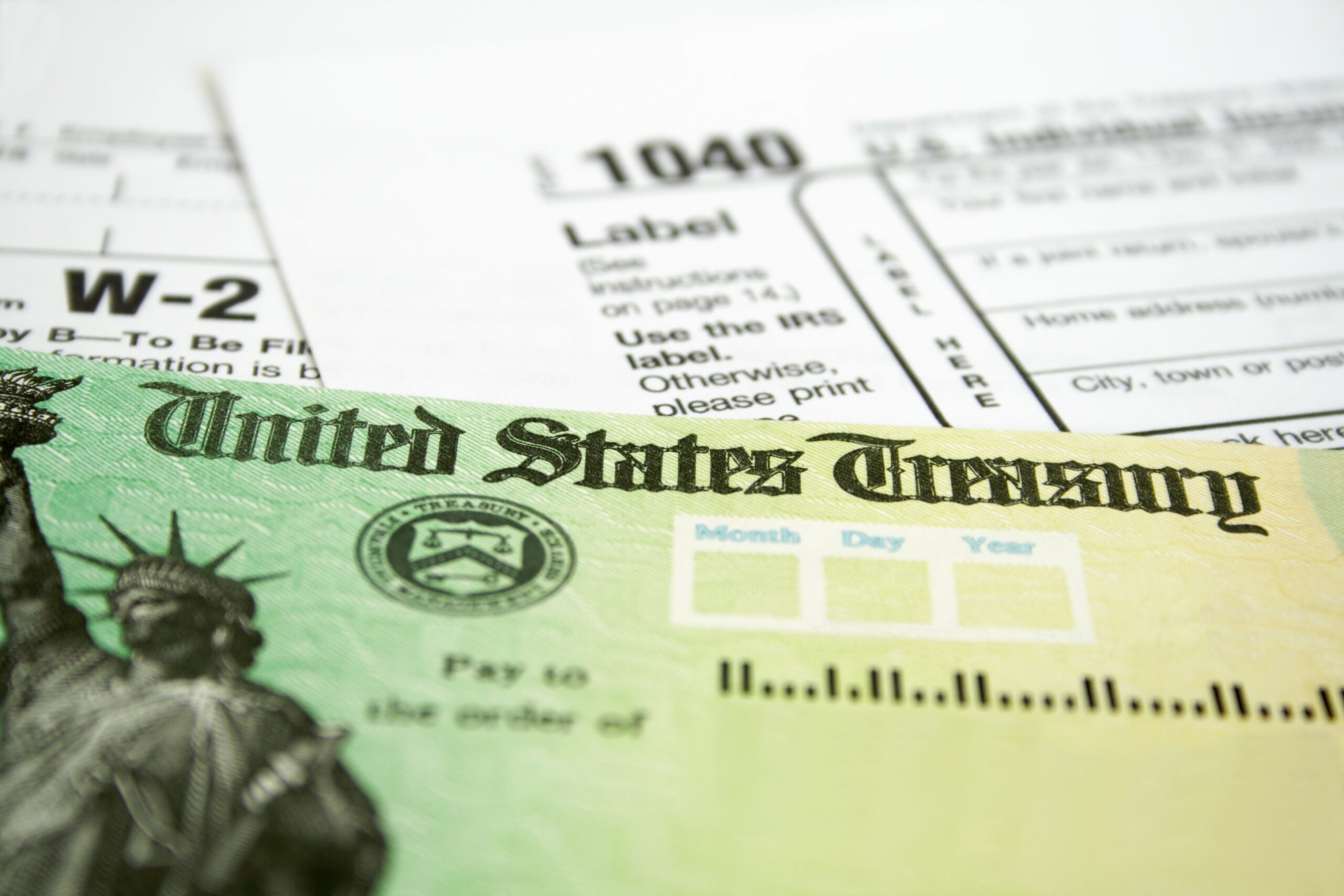
A close-up of a U.S. Treasury check in front of IRS tax forms, including a 1040 form and a W-2 wage statement.

Taxes form the foundation of our economy, but for decades we have allowed corporations and the wealthy to pay far less than their fair share. Corporate tax revenues make up only 6 percent of total revenues today, compared to nearly one-third in the 1950s, following decades of corporate tax rate cuts and layers of new loopholes. Meanwhile, as income inequality has skyrocketed, the wealthy (and particularly the ultra-wealthy) have benefited from broader tax brackets and lower rates, allowing their wealth to grow even faster.

Decades of research has shown that low tax rates don’t lead to economic growth or global competitiveness, but instead to democratic backsliding and increased inequality. A progressive tax code should therefore treat taxes as core democratic infrastructure. 

Taxes are an indispensable tool to (1) reshape markets to guard against concentrated wealth and oligarchy, (2) raise the revenue we need to support one another and invest in our future, and (3) foster a sense of fairness, trust, and shared national purpose. 

Roosevelt’s latest tax policy work makes the case for tax reform that accomplishes these three goals. 

  • Zorka Milin debunks the myth that higher taxes on big corporations stifle economic growth.
(Opens in a new window) Briefs

(Opens in a new window) Why Doesn’t the US Tax Its Big Corporations More?: The Myth of “Global Tax Competitiveness”

September 3, 2026

By Zorka Milin

  • Samarth Gupta argues for more income tax brackets and a more progressive rate schedule. 
(Opens in a new window) Briefs

(Opens in a new window) Reaganism Broke US Tax Brackets. It’s Time To Fix Them.

September 14, 2026

By Samarth Gupta

  • Our Social Security Good Life Residents lay out proposals for tax code reform to bolster and preserve our safety net. 
(Opens in a new window) Briefs

(Opens in a new window) How to Fund Social Security with the Economy We Have

September 9, 2026

By Tyler Bond, Jonathan Schwabish, and Lena Simet

Rebalancing Power in Our Economy

Tax cuts and concentrated wealth fuel one another in a vicious cycle. Corporations and wealthy donors influence policy through campaign donations and lobbying, perpetuating the false narrative that higher taxes will harm the US economy. And the wealthy are able to pass their fortunes on nearly untaxed, building dynasties that further warp our economy and democracy.

Without significant legislative checks on money in politics, the tax code is one of our best, and few remaining, tools to prevent corporate and personal wealth from steamrolling our democracy altogether. In particular, taxing wealth, in addition to raising revenue, could directly reduce the ultra-wealthy’s power to influence policy in their favor. 

Pooling Resources for Shared Prosperity

Federal taxes are the backbone of our safety net, allowing us to pool resources to protect against risks that individuals can’t plan for—a key element of a democratic and equitable economy. Without sufficient tax revenue, we can’t support each other when we need it or make investments to improve our country’s future.

By failing to adequately tax the wealthy and corporations, the tax code leaves trillions of dollars in revenue on the table. Although the current top marginal tax rate is 37 percent for individuals and 21 percent for corporations, research suggests that the revenue-maximizing top marginal tax rate may be as high as 70 percent for corporations, and more than 80 percent for individuals—more than double current top rates, but in line with past ones. One recent proposal estimates that even modest corporate tax increases, paired with complementary reforms, could raise $4 trillion in new revenue over 10 years. 

Tax reform should play a crucial role in securing and expanding our safety net and building up public infrastructure, from shoring up Social Security to building truly universal childcare.

Fostering Trust in Government and Each Other

Finally, fair taxes help foster a sense of shared national purpose and trust in government. When hedge fund managers, multinational corporations, and billionaires get to shape the tax code to their liking, it’s unsurprising that less than half of Americans view their taxes as fair, and the majority want to raise taxes on corporations and the wealthy. Rapidly growing income inequality has eroded vertical equity even within tax brackets, while many wealthy individuals and corporations exploit tax loopholes to pay little or no federal income tax. These loopholes have made the tax code more complex and broken down the sense that we’re all in it together—because we’re not. 

Meanwhile, less tax revenue strains government services, further damaging trust in government. That, in turn, erodes trust in the tax system, resulting in even less investment in a government that people don’t see working for them. Escaping that doom loop will require a commitment to reshaping the tax code, so it truly works for everyone.

RELATED RESOURCES

(Opens in a new window) Blog

(Opens in a new window) Beyond Who Pays More: How Taxes Form the Foundation of Our Economy and Democracy

March 25, 2026

By Elizabeth Wilkins

(Opens in a new window) Blog

(Opens in a new window) One Year Later: How OBBBA’s Tax Cuts for the Rich Have Weakened Democracy

July 1, 2026

By Noa Rosinplotz

(Opens in a new window) Reports

(Opens in a new window) How to Tax the Ultrarich

January 29, 2026

By Brian Galle

(Opens in a new window) Briefs

(Opens in a new window) Why Doesn’t the US Tax Its Big Corporations More?: The Myth of “Global Tax Competitiveness”

September 3, 2026

By Zorka Milin

(Opens in a new window) Briefs

(Opens in a new window) Reaganism Broke US Tax Brackets. It’s Time To Fix Them.

September 14, 2026

By Samarth Gupta

(Opens in a new window) Briefs

(Opens in a new window) How to Fund Social Security with the Economy We Have

September 9, 2026

By Tyler Bond, Jonathan Schwabish, and Lena Simet

Tags: Social Security, Democratic Institutions, Economic Security, Progressive Taxation

Previous Publication

Reaganism Broke US Tax Brackets. It’s Time To Fix Them.

Roosevelt Institute

Sitemap

  • ABOUT
    • PUBLICATIONS
    • THINK TANK
    • ROOSEVELT NETWORK
    • ROOSEVELT SOCIETY
    • ARTIFICIAL INTELLIGENCE NOTICE
  • THE LATEST
    • FDR LIBRARY
    • EVENTS
    • PRIVACY POLICY
    • COOKIES POLICY
    • STATE CHARITABLE DISCLOSURES
  • DONATE

Subscribe to the Roosevelt Institute

First Name Last Name First Name

© Roosevelt Institute 2026
Made by Wide Eye
  • (Opens in a new window) Bluesky social media link
  • (Opens in a new window) Facebook social media link
  • (Opens in a new window) LinkedIn social media link
  • (Opens in a new window) Twitter social media link
  • (Opens in a new window) YouTube social media link

Get the latest from our Tax Policy program!