
Lessons for the Federal Reserve
May 21, 2026
Plus, we asked Atlanta what a good life looks like.
The Roosevelt Rundown features our top stories of the week.
What Jerome Powell’s legacy will be
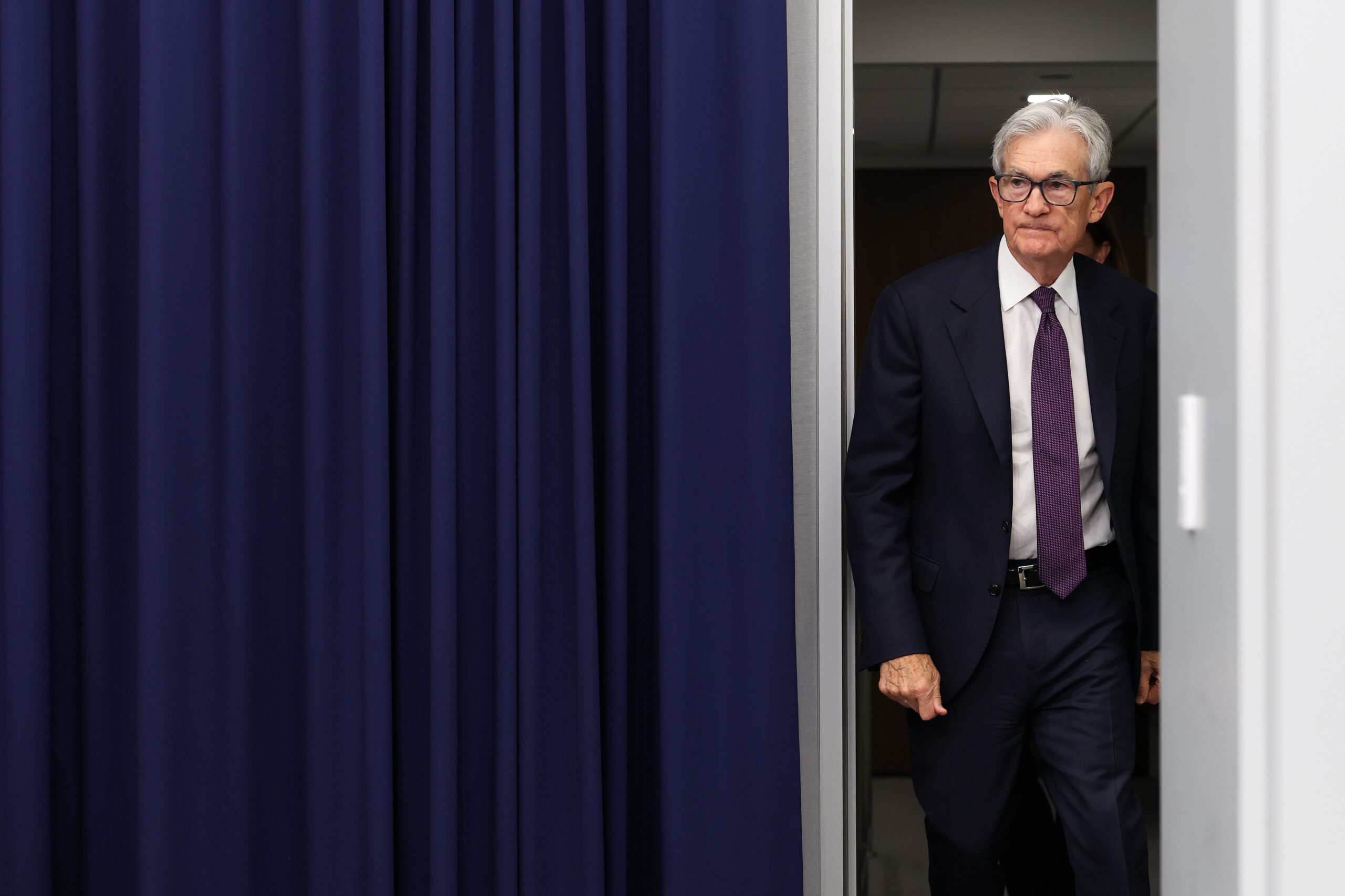
At the end of this week, Kevin Warsh will be officially sworn in as the new chair of the Federal Reserve. Roosevelt’s Good Life Residents on the Federal Reserve shared their reflections on Jay Powell’s leadership, through crises like the COVID-19 pandemic, inflation, and attacks from the president on the institution’s independence.
“While [Powell’s] legacy on financial regulation is more mixed,” said Christian Flores, “he will ultimately be remembered for defending the Federal Reserve’s monetary policy independence.”
Ethan Struby agreed: “It is unfortunate that his likely successor seems less likely to champion the Federal Reserve’s operational independence or to hold the Federal Reserve accountable to Congress rather than the White House.”
Despite the Fed’s creative response to restoring market stability during the pandemic, Erin Lockwood notes that “[Powell] declared the unequal racial and class impacts of both the [COVID-19] crisis and the Fed’s crisis response beyond its remit.” That means there’s still room to ensure the Fed is accountable to Main Street, not just Wall Street.
What needs to be carried forward is the Fed’s dual mandate—stable prices and maximum employment. As Roosevelt’s Principal Economist Michael Madowitz noted earlier this month, a question about full employment at Warsh’s Senate confirmation hearing “went entirely unanswered . . . A nominee who wanted to signal a commitment to full employment might have tried to answer that question a bit harder.”
What Atlanta residents think makes a good life
Last month, Roosevelt on the Road took us to Atlanta, Georgia, where President and CEO Elizabeth Wilkins talked to university students and local leaders about the challenges Georgians face and how to fix them. As locals told her, Georgia’s political establishment hasn’t been listening to everyday residents, and political elites have long favored corporate interests over equitable growth and shared prosperity.
One graduate student shared with her the internal struggle of facing “a choice between unemployment and jobs at the very mega-tech corporations that are squeezing every ounce out of their workers and taking choices away from the rest of us.”
So Atlanta residents are actively reimagining economic opportunity in the city and the state. We asked local leaders to tell us: What would a good life look like for Georgians?
- “One where we can bring back porch-sitting—in the South, people used to have time to spend with their neighbors, with their families.” — Ruwa Romman, State Representative, District 97
- “Access to quality jobs that they like doing, that they feel passionate about.” — Dom Kelly, New Disabled South
- “Access to the outdoors and green space, and arts and culture.” — Kelsea Bond, Atlanta City Councilmember, District 2
What else we’re up to
- Mark your calendars for Thursday, May 21: Join us tomorrow for back-to-back online events about economic security:
- First up at noon ET, the Disability Economic Policy Research Consortium—a joint initiative of Roosevelt and the National Academy of Social Insurance—is kicking off its virtual series centering disabled people in conversations about affordability. Roosevelt’s Hannah Groch-Begley will be moderating. Register here.
- Then at 1:00 pm ET, join Roosevelt and the Economic Policy Institute for a conversation about raising the minimum wage, fresh on the heels of new analysis. Roosevelt’s Patrick Oakford will speak on the virtual panel. Register here.
- Americans’ trust in Social Security is declining, thanks to fearmongering that the program will run out of money. “I can’t imagine a world where that actually would even come to pass,” Roosevelt’s Stephen Nuñez told AARP.
- Social Security can remain a bedrock safety net program, Nuñez explained in a January brief—Congress just has to act: “Will Social Security Run Out?” Is the Wrong Question: How Lawmakers Can Protect Beneficiaries and Strengthen OASI
- The “thinly veiled propaganda” that is Moms.gov: The White House’s new parenting resource hub manages to be anti-vaccine, anti-abortion, and anti-women-in-the-labor-force all at the same time, Roosevelt Fellow Jessica Calarco explains for MS NOW.