
91 Years In, What Should Social Security look Like?
August 14, 2026
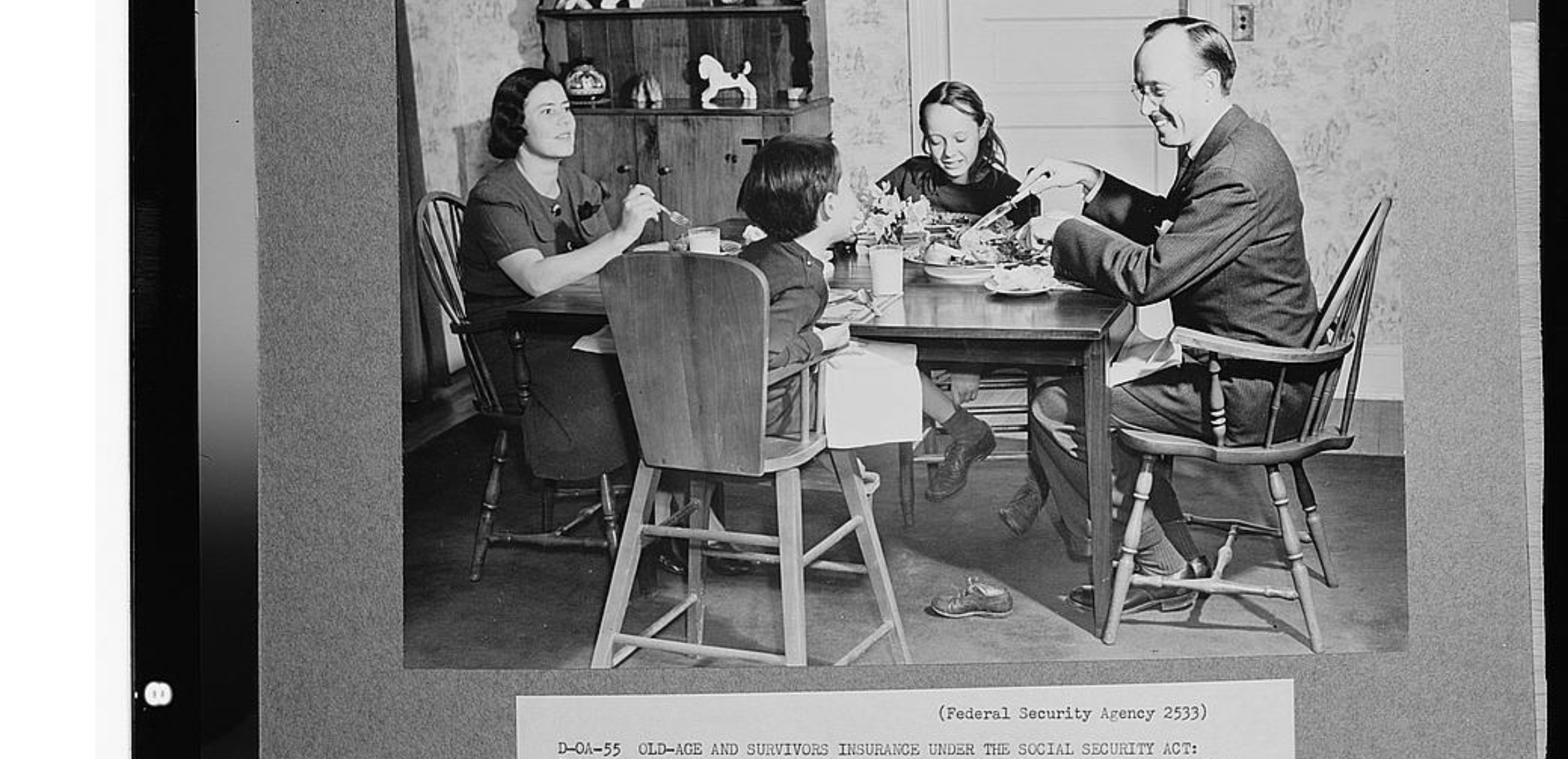
“As a country, we take care of the elderly when they can no longer work.”
That’s the promise on which Franklin D. Roosevelt first signed Social Security into law on August 14, 1935. In the decades since, policymakers tweaked the program in response to changing economic conditions. Now, Social Security can—and must—be reformed again. And contrary to what some people would like you to believe, benefit cuts are entirely unnecessary.
Roosevelt’s Rey Fuentes explains why in a new blog post: Social Security Doesn’t Need Cuts. The Fiscal Panic Is Missing Where the Money Is.
Also this week, a new brief from Roosevelt’s Suzanne Kahn and researcher Sarah Hastings explains how the program’s core promises—guaranteed benefits, progressivity, and universal access—have endured throughout subsequent reforms, and why lawmakers today must ensure the same.
On top of preventing individual and household-level poverty, Social Security is intended to support broader economic stability—something lawmakers understood from the start.
“Ninety-one years after its passage,” Kahn and Hastings write, “we should be able to trust that Social Security will be there when we need it, that it will help make our economy more fair, and that we will not have to jump through hoops to get it.”
And watch last week’s panel discussion about What Social Security’s Shortfall Is Really Telling Us About the Economy
What else we’re up to
- Meet Roosevelt’s second Good Life Resident cohort. Housing experts Shehab Chowdhary, Chenab Navalkha, and Benjamin Preis are joining the Good Life Residents Program to research how the federal government can ensure the US builds the homes people need, even during economic downturns or periods of high interest rates.
- Who in history exemplifies the American spirit? The American Prospect asked, and Roosevelt President and CEO Elizabeth Wilkins answered. She shouted out New Deal champion Harry Hopkins, the “mother of public housing” Catherine Bauer, and civil rights leader and public official Mary McLeod Bethune.
- AI’s growth is yet another argument for corporate tax reform. “The inability to tax the profits of digital companies demands nothing less than an overhaul of the international tax system,” Roosevelt Fellow Zorka Milin writes in Project Syndicate.
- Putting people first is key to good policymaking. “When you actually talk to people and see the ways law, policy, and our economy affect people’s day-to-day lives, you can’t help but see who those systems protect and who they hurt,” Chisolm Allenlundy says.
- Learn more about Allenlundy’s work as an assistant attorney general focused on prosecuting corporate fraud and abuse in New York in our latest Roosevelt Society Q&A.
What we’re talking about