
We’ve Reformed Social Security Before—and We Can Do It Again.
August 7, 2026
Plus, 17 fresh ideas for the green energy transition.
The Roosevelt Rundown features our top stories of the week.
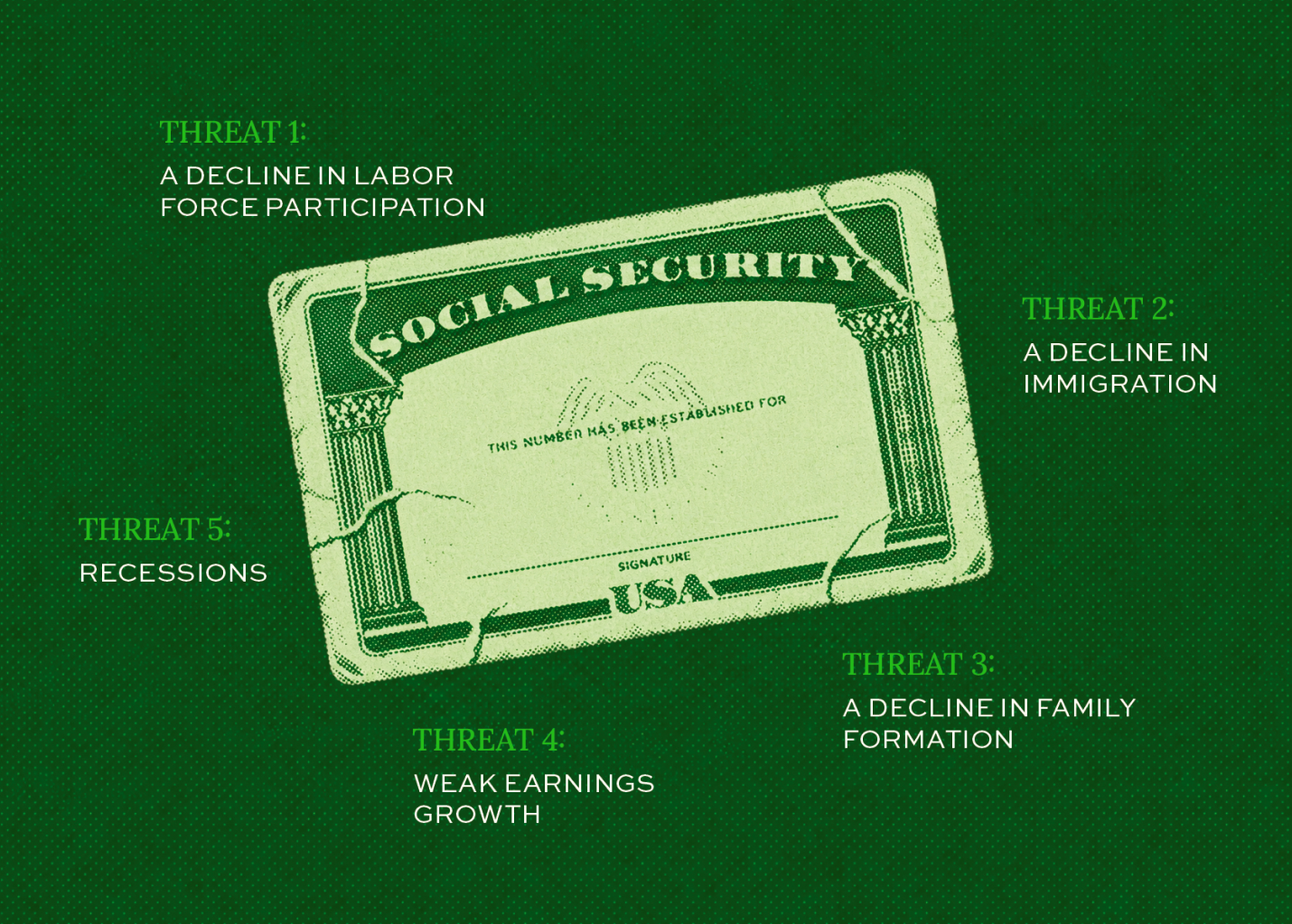
The economic trends that should guide Social Security reform
The Social Security trust fund is projected to dwindle by the early 2030s, policymakers have an urgent task at hand: design and pass reform that protects and strengthens this fundamental part of our safety net.
In a new analysis, economist Kathryn Anne Edwards examines the program’s 1983 reforms to draw a key lesson for policymakers today: Rather than focusing on financial solvency alone, they need to take the health of the entire economy into account.
“The threat to Social Security’s outlook in the future is the same cause of Social Security’s woes today: economic mismanagement,” Edwards writes. “No matter the issue that could arise to derail mortality, fertility, and wage expectations, the answer to each is responsive, responsible economic policy.”
Read the brief: 1983 v. 2032: The Economics of the Last and Next Social Security Reform
And watch our webinar about Social Security’s economic context with Edwards, Kate Bahn, Bradley Hardy, and Betsey Stevenson.
What else we’re up to
- 17 ideas for the future of green statecraft: Nineteen experts sketch out the tools and institutions required for governing, planning, financing, and producing the next climate agenda. Their proposals include building public factories, standing up a National Climate Service, and harnessing public equity stakes.
- Read the first-of-its-kind essay collection, edited by Roosevelt’s Todd N. Tucker: Building Up in 2029: How to Make Green Statecraft Durable
- Arin Dube tells us what’s wrong with the labor market and how to fix it. Watch Roosevelt’s Patrick Oakford in discussion with economist Arindrajit Dube about his new book, The Wage Standard, for August’s installment of the Roosevelt book club.
- “The job market is probably doing slightly better than last year.” Ahead of Friday’s BLS report, Roosevelt principal economist Michael Madowitz explains that despite the economy’s recent resilience, policymakers should be “better positioning ourselves to respond if things stop going surprisingly smoothly.”
- Democracy needs public media to thrive. Roosevelt Fellow Victor Pickard joined the Money on the Left podcast to discuss how the capture of media institutions by powerful corporate interests has broken down the institution of journalism itself.
- Read Pickard’s recent Roosevelt report, coauthored by Shahrzad Shams and Bilal Baydoun, for more: The Political Economy of the US Media System: Excavating the Roots of the Present Crisis
What we’re talking about