
What Makes a State a Good Place to Live
April 22, 2026
Plus, the ultrarich get to evade taxes—how making them pay would rebuild trust.
The Roosevelt Rundown features our top stories of the week.
Elizabeth Wilkins joins New York Times panel on population movement
Today, Roosevelt President and CEO Elizabeth Wilkins joined economist Jason Furman and Center for American Progress President Neera Tanden for a roundtable discussion with Times columnist David Leonhardt. The panel explores why people are moving within the country, and what makes them want to live where they do.
“Affordability is a concern, but it’s the surface symptom of a deeper challenge,” Wilkins said. “People want leaders who will cut through red tape and take on the folks, from employers to landlords to developers, who take advantage of them.
. . . What we need is an all-of-the-above approach to both tackling costs and raising incomes that shows people that government is on their side.”
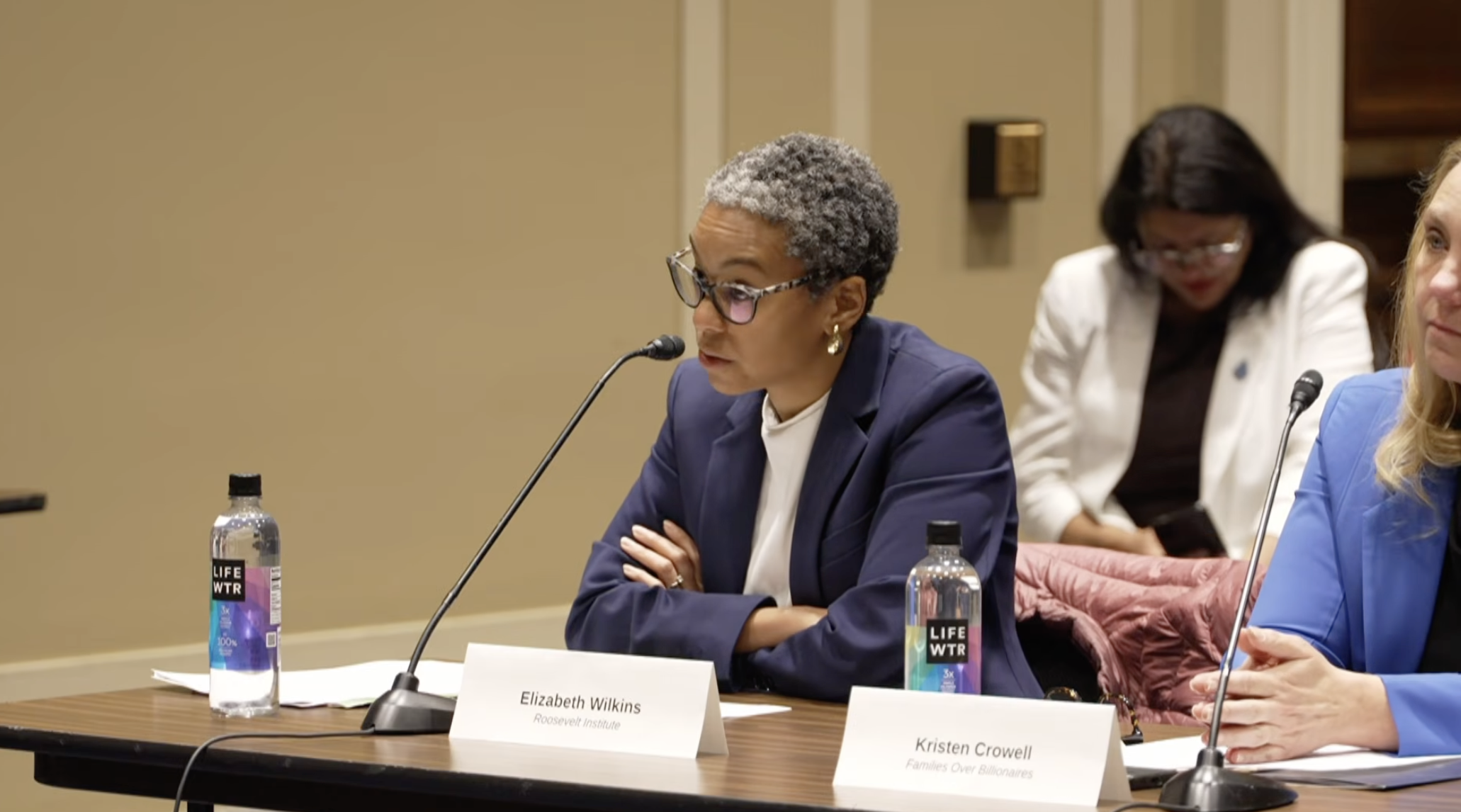
“The funds to invest in good lives are available to us.”
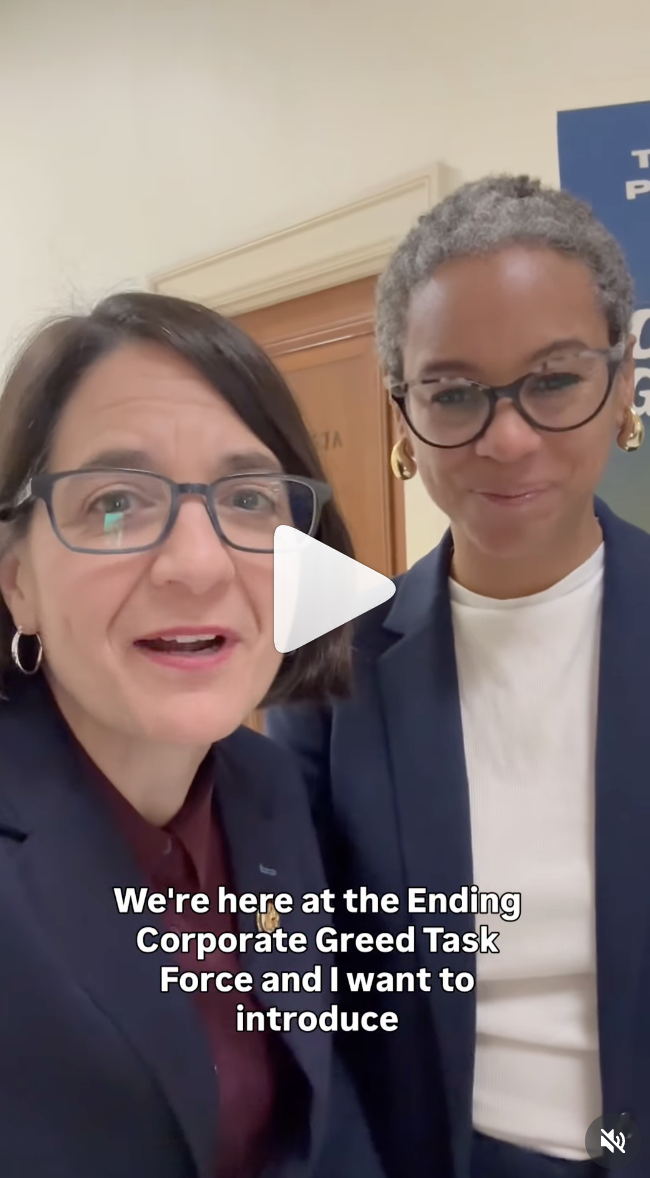
Amid growing popular support for raising taxes on the rich, the Congressional Progressive Caucus hosted a hearing this week about how reforming the tax code could rein in corporate greed. Roosevelt President and CEO Elizabeth Wilkins, as well as Roosevelt Fellow Zorka Milin, joined the panel discussion.
The unfair tax system we have today is corrosive to democracy: “Americans are deeply frustrated with the tax code,” Wilkins said in her opening statement. “Not because taxes exist, but because the system feels rigged.” That frustration “erodes their belief that their government works for them at all.”
Wilkins emphasized three main purposes of building a stronger and more progressive tax code: sustaining public goods, preventing outsize economic and political power, and—importantly, but often less discussed—strengthening the compact between government and the people.
Read full remarks: Testimony of Elizabeth Wilkins Before the Congressional Progressive Caucus Corporate Greed Task Force
What else we’re up to
- What is financialization doing to our economy? As prediction markets turn current events into profit opportunities, it’s clear that the growing influence of the financial sector is warping the broader economy.
- Frontline workers know how to use (and not use) AI. Companies should listen. Roosevelt fellow Virginia Doellgast spoke with Spectrum News about the importance of union input and worker voice when deploying AI in the workplace.
- “How can we use these technologies in ways that actually improve the quality of patient care or customer service without just cutting jobs?”
Tell us: What would a good life look like to you?
Imagine that housing, childcare, health care, utilities, groceries, and education were all genuinely affordable.
What else would you still need to feel like you were living a good life? What might make the biggest difference to your quality of life? And what do you think is stopping you from living that life?
If these questions resonate, we want to hear from you. Help us out with an upcoming project by submitting a short video of yourself:
What we’re talking about